
- Home/
- Buy Ventolin Inhaler at Low Price in the United States
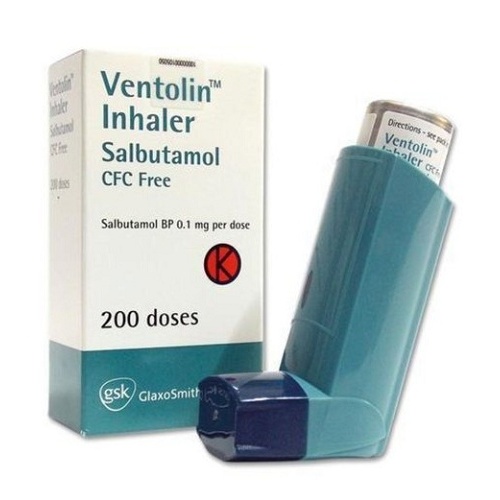
Ventolin Inhaler is a prescription medication used for rapid relief of asthma symptoms, such as wheezing and shortness of breath, in the United States. It contains the active ingredient salbutamol (also known as albuterol), which quickly opens the airways during an asthma attack. The single most important thing to know: Ventolin Inhaler provides fast, temporary relief, but it does not control underlying inflammation—so if you need it often, it’s time to talk with your doctor about your asthma management plan.
Real-Life Moments Ventolin Inhaler Shapes
It’s 2 a.m. and your chest tightens, the air in your bedroom thick and unmoving. Your breathing comes quick and shallow, each inhale a little more desperate. You fumble for the blue inhaler on the nightstand—not because you’ve read about it, but because you remember what it feels like when air rushes back in. For many Americans with asthma, that’s the role of Ventolin Inhaler: it’s not a daily ritual, but a lifeline in the urgent, ordinary, or unpredictable moments when breathing stops feeling automatic.
Asthma isn’t just a diagnosis on paper. It’s the soccer player who freezes mid-field when the cold hits her lungs, the parent who mentally calculates how close the ER is before leaving for vacation, the college student who hopes the roommate knows what to do if things go sideways. Ventolin Inhaler sits at the center of these stories—not as a cure, but as a bridge back to normalcy, if only for a while.
- Not all inhalers are alike. Ventolin Inhaler works fast, within minutes, making it the “rescue” inhaler.
- It’s a signal, too. Needing it more than twice a week can be your body telling you: asthma isn’t controlled, and you need more than a rescue.
- Every puff is a trade-off. Relief now, but at a cost if used too often—masking worsening asthma, increasing risk of severe attacks, and sometimes side effects you didn’t see coming.
“Most patients think of their Ventolin as a safety net. But when that net starts getting holes—when you need it all the time—that’s when you need a new approach, not just a new inhaler.”
In short: Ventolin Inhaler is about the moments between normal and emergency. The rest of this article is about making those moments less frightening, less frequent, and, when possible, less necessary.
How Ventolin Inhaler Actually Works—for You
During an asthma attack, your airways clamp down. Salbutamol, the active ingredient in Ventolin Inhaler, tells the muscles around those airways to relax—fast. Within minutes, the feeling of suffocation eases, wheezing fades, and you get your breath back. That’s the clinical magic, but what does it mean for you?
Effectiveness, onset, and duration aren’t just numbers—they shape your daily life. Most people feel relief within 5 minutes, and the effect usually lasts 4-6 hours. But not everyone responds the same way. Some feel “jittery” or notice a racing heart, while others wonder if anything changed at all after that first puff. Understanding how Ventolin Inhaler works is about more than molecules—it’s about knowing what to expect when you reach for the blue device at 2 a.m.
- What’s happening inside your body?
- Salbutamol binds to beta-2 receptors on your airway muscles, signaling them to open up—fast. This is called bronchodilation.
- How long does it last?
- For most, the effect persists 4-6 hours. If you’re reaching for it sooner, your asthma plan needs an update.
- Does it change the disease?
- No. Ventolin Inhaler does not reduce inflammation or prevent attacks. It is for rescue, not routine control.
What most patients don’t realize: relief can be deceptive. The tightness fades, but if you’re using your rescue inhaler constantly, underlying inflammation is still smoldering. That’s why U.S. guidelines emphasize: if you rely on salbutamol too often, it’s time to talk about controller medications—not just another refill.
Ventolin Inhaler vs. Other Asthma Relievers: What “Different” Feels Like
| Attribute | Ventolin Inhaler (Salbutamol/Albuterol) |
ProAir HFA (Albuterol) |
Xopenex HFA (Levalbuterol) |
Serevent Diskus (Salmeterol) |
|---|---|---|---|---|
| Approved Use | Acute symptom relief, exercise-induced bronchospasm | Same as Ventolin | Acute symptom relief, alternative for those intolerant of albuterol | Long-term control (not for relief of acute attacks) |
| Onset of Action | 3-5 minutes | 3-5 minutes | 2-6 minutes | 15-20 minutes |
| Duration | 4-6 hours | 4-6 hours | 5-8 hours | 12 hours |
| Prescription Status (U.S.) | Prescription only | Prescription only | Prescription only | Prescription only |
| Key Side Effects | Jitteriness, palpitations, tremor | Similar to Ventolin | Potentially fewer cardiac effects | Throat irritation, muscle cramps |
| Typical Cost (Before Insurance) | $30–$60 | $50–$70 | $60–$80 | $250–$300 |
| Generic Available | Yes | Yes | No (branded only) | No (branded only) |
For most patients in the United States, Ventolin Inhaler is clinically interchangeable with other albuterol inhalers like ProAir HFA. The main differences: device feel, taste, and sometimes insurance coverage. Xopenex (levalbuterol) is reserved for those who cannot tolerate albuterol’s side effects, though the clinical advantage is modest for most. Serevent (salmeterol) is a long-acting option—never for acute attacks, and always paired with a controller medication.
For most, the “difference” comes down to availability, cost, and personal comfort. But if you notice more shakes, a faster heart, or less relief, talk to your care team—sometimes the right inhaler is the one you’re actually able to use.
The Dos and Don’ts of Using Ventolin Inhaler
The most common mistake with Ventolin Inhaler isn’t overdosing—it’s underusing the right technique. You can have the right prescription and the right diagnosis, but if your inhaler is pointed at your tongue instead of your lungs, relief will be a mirage.
- Shake the inhaler well before each spray. The medication needs to be evenly suspended.
- Breathe out fully, away from the inhaler—this sets you up for a deep, effective inhalation.
- Seal your lips tightly around the mouthpiece. Press the canister and inhale slowly and deeply at the same time. Coordination is everything.
- Hold your breath for up to 10 seconds if you can, then exhale gently.
- Wait about 60 seconds between puffs if you need a second dose. This allows the first puff to open the airways for better absorption of the next.
Devices differ: Some people use a spacer—a tube that attaches to the inhaler—to improve delivery, especially for children or those who struggle with coordination. If you’re unsure, ask your pharmacist or doctor to watch your technique. One corrected habit can be the difference between relief and frustration.
| Population | Usual Dose | Maximum Dose | Special Notes |
|---|---|---|---|
| Adults & Adolescents (≥12 years) | 1–2 puffs as needed | Every 4–6 hours (do not exceed 8 puffs/day unless directed) | For exercise-induced asthma: 2 puffs 15–30 min before activity |
| Children (4–11 years) | 1–2 puffs as needed | Every 4–6 hours (do not exceed 8 puffs/day unless directed) | Spacer recommended for optimal delivery |
| Children <4 years | Use not routinely recommended; consult specialist | N/A | Salbutamol via nebulizer may be considered |
Remember: If you need Ventolin Inhaler every single day, or if you’re using it more than twice a week for symptoms (excluding pre-exercise doses), your asthma is not under control and you should revisit your management plan with your healthcare provider.
Which Side Effects Matter Most with Ventolin Inhaler—and When to Act
Most people tolerate Ventolin Inhaler well, but side effects can surprise you—especially if you’re anxious, have heart problems, or use the inhaler frequently. The most common are mild and short-lived: shakiness, a racing heartbeat, feeling “wired.” Less often, headaches or throat irritation occur.
Rarely, side effects turn serious. Chest pain, severe breathlessness that doesn’t respond to your usual dose, or allergic reactions (like rash, swelling, or difficulty swallowing) require immediate medical attention. For those with pre-existing heart conditions, the risk of arrhythmias—an abnormal heart rhythm—makes high-frequency Ventolin use a genuine concern.
- Shakiness and mild palpitations often fade as your body adapts, or if you use the inhaler less often.
- Persistent or severe side effects, or needing higher and higher doses for the same relief, are red flags—signal your doctor.
- Throat discomfort can usually be managed by rinsing your mouth after each use, but if it persists, get checked out.
| Side Effect | Frequency | When to Contact a Doctor |
|---|---|---|
| Shakiness/tremor | Common (>10%) | If persistent, severe, or worsening |
| Racing heart (palpitations) | Common (1–10%) | If accompanied by chest pain, fainting, or irregular rhythm |
| Headache | Common | If severe or persistent |
| Throat irritation | Occasional | If impacting eating, drinking, or breathing |
| Allergic reaction (rash, swelling, trouble breathing) | Rare (<1%) | Seek help immediately—emergency |
| Worsening asthma (paradoxical bronchospasm) | Very rare | Stop use; seek help if breathing worsens after inhalation |
In summary: mild side effects are common and usually manageable. But if something feels wrong—especially chest pain, severe palpitations, or worsening breathing—don’t wait. Call for help. Sometimes the worst mistake is thinking it’s “just anxiety” or “just my asthma.”
When Not to Take Ventolin Inhaler: Warnings You Can’t Ignore
- Known allergy to salbutamol (albuterol) or any component of the inhaler
- Heart rhythm disorders (arrhythmias): Ventolin can worsen certain arrhythmias, especially at high doses or in sensitive patients. Tell your doctor if you have a history of irregular heartbeat.
- Severe high blood pressure (hypertension): Ventolin may raise blood pressure slightly—if yours is uncontrolled, discuss alternatives or tighter monitoring.
- Hyperthyroidism: Overactive thyroid increases sensitivity to the stimulant effects of salbutamol.
- Concurrent use with certain medications: Beta-blockers (for heart or blood pressure) can blunt Ventolin’s effect; some antidepressants (MAOIs, tricyclics) can amplify side effects.
- Pregnancy & breastfeeding: Generally considered safe, but always weigh benefits with your provider. Uncontrolled asthma is more dangerous than using Ventolin as prescribed.
- Children <4 years: Inhaler use is not routinely recommended—expert consultation is best.
Never make the call alone if you’re in one of these categories. Even if Ventolin Inhaler has worked for you before, these situations can turn a routine rescue into a medical emergency. Always review your medication list and health history with your provider whenever your asthma management plan is updated.
Access Pathways: Getting Ventolin Inhaler in the United States
Unlike over-the-counter options in some countries, Ventolin Inhaler is strictly prescription-only in the United States. You can’t purchase it legally without an up-to-date prescription from a licensed healthcare provider. This isn’t just bureaucracy—it’s regulation designed to keep you safe, track usage, and ensure you’re not managing a worsening medical problem with increasing doses of a rescue inhaler alone.
- Schedule a visit with your primary care doctor, allergist, or pulmonologist. Only they can diagnose or update your asthma plan and provide a prescription for Ventolin Inhaler.
- Refills are commonly written for 1–3 months at a time. Many insurance plans require periodic review and may limit refills if you are using the inhaler too frequently.
- Pick up your inhaler at any licensed U.S. pharmacy—chain, independent, or through legitimate mail-order services. Some telehealth services also provide prescriptions where state law allows, but always verify legitimacy.
- Insurance coverage varies. Most plans cover at least one albuterol-type inhaler, but the exact brand (Ventolin, ProAir, generic albuterol) may change depending on formulary tiers and negotiated prices. Without insurance, expect to pay $30–$60 for a standard inhaler; patient assistance or discount programs may be available.
The FDA regulates all prescription inhalers sold in the U.S. Always use a pharmacy registered with your state’s Board of Pharmacy. Online “pharmacies” offering Ventolin Inhaler without a prescription are operating outside the law and may sell counterfeit or unsafe products.
Need help affording Ventolin Inhaler? Ask your pharmacist about manufacturer coupons, pharmacy discount programs, and patient assistance programs.
Real Questions, Real Answers: Your Ventolin Inhaler FAQ
- Can I use Ventolin Inhaler every day if I need to?
- While you can use Ventolin Inhaler for acute symptoms as needed, daily reliance signals uncontrolled asthma and increases the risk of side effects. Talk to your provider about adding or adjusting controller medication if you need Ventolin more than twice a week.
- What should I do if Ventolin Inhaler doesn’t relieve my symptoms?
- If your usual dose doesn’t work after 10 minutes, repeat once if instructed by your care team. If symptoms persist, seek emergency care—this can be a sign of a severe asthma attack that needs more intensive treatment.
- Is it safe to use Ventolin Inhaler during pregnancy?
- Most guidelines consider Ventolin Inhaler safe during pregnancy when used as prescribed. Uncontrolled asthma is a greater risk to the pregnancy than appropriate use of rescue medication. Always discuss with your OB/GYN and asthma provider.
- Why do I feel shaky or get a rapid heartbeat after using Ventolin?
- These are common side effects due to salbutamol’s mild stimulant effect, especially at higher doses. If they’re severe, persistent, or accompanied by chest pain or fainting, consult your doctor.
- Does Ventolin Inhaler interact with other medications?
- Yes. Beta-blockers can reduce its effectiveness, and certain antidepressants can increase side effects. Share your full medication list with your healthcare provider before starting or adjusting Ventolin.
- Can I get Ventolin Inhaler without a prescription in the U.S.?
- No. Ventolin Inhaler is prescription-only in the United States due to safety and monitoring requirements. Using unregulated sources puts you at significant risk of counterfeit or inappropriate products.
- How should I clean and store my Ventolin Inhaler?
- Clean weekly by removing the canister and rinsing the plastic holder in warm water, then letting it air dry completely. Store at room temperature, away from direct sunlight and heat. Do not freeze.
- What do I do if I run out of Ventolin Inhaler?
- Contact your pharmacy or provider as soon as possible for a refill. If you have an urgent asthma attack and no inhaler, seek emergency care immediately.
Sources and References
- U.S. Food and Drug Administration (FDA)
- National Heart, Lung, and Blood Institute (NHLBI) Asthma Guidelines
- Mayo Clinic: Asthma Inhalers
- Ventolin Official Patient Information (GSK)
- Asthma Management and Prevention: Global Initiative for Asthma (GINA), 2023
- Albuterol (Salbutamol) Inhalation: Prescribing Information, United States
- Centers for Disease Control and Prevention (CDC): Asthma
- Pharmacy Times: Ventolin HFA Inhalation Aerosol