
- Home/
- Buy Lasix Online in the United States – Fast Delivery Available
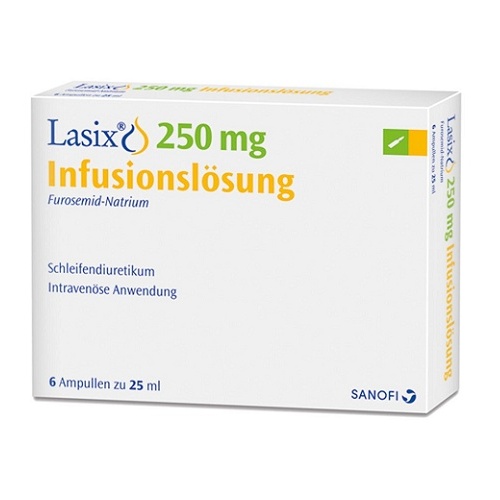
Lasix (Furosemide) for Edema: The Ultimate United States Guide 2026
Key Facts and Summary Table
| Parameter | Details (United States, 2026) |
|---|---|
| Active Ingredient | Furosemide |
| Main Uses | Edema (fluid retention) due to heart failure, liver, or kidney disease; hypertension (less common) |
| Prescription Required? | Yes — mandatory by law |
| Onset of Action | Oral: 30–60 minutes; Intravenous: within 5 minutes |
| Duration | Oral: 6-8 hours; IV: 2 hours |
| Main Contraindication | Severe electrolyte imbalance, anuria, sulfa allergy |
| Pregnancy Category | US FDA: Category C (use only if potential benefit justifies risk) |
| Insurance Coverage | Covered by most U.S. insurance and Medicare Part D plans |
For in-depth details on each point, see the relevant section below.
Can You Get Lasix Without a Prescription in the US?
No, you cannot legally obtain Lasix (furosemide) without a prescription in the United States as of 2026. The U.S. Food and Drug Administration (FDA) classifies Lasix as a prescription-only medication due to potential serious risks, including dehydration and abnormal blood electrolytes.
Bottom line: Any pharmacy, online or local, offering Lasix without requiring a prescription is illegal and unsafe. You should never purchase from such sources.
How Does Lasix Work? (Mechanism of Action Explained)
Lasix (furosemide) is a loop diuretic. It acts primarily on the thick ascending limb of the loop of Henle in the kidneys. Here, it inhibits the sodium-potassium-chloride (Na⁺-K⁺-2Cl⁻) co-transporter, which results in:
- Reduced reabsorption of sodium, chloride, and water
- Increased urine output (diuresis)
- Excretion of potassium, calcium, and magnesium also increases
In simpler terms: Lasix tells the kidneys to let go of salt and water, making you urinate more and reducing fluid buildup in tissues.
Lasix works independently of the patient’s acid-base status, which distinguishes it from some other diuretics (see comparison).
Myth: Lasix simply “flushes” water.
Reality: It alters kidney transporters, shifting both fluid and electrolyte balance. That’s why monitoring is essential.
References: See mechanism of action studies at article end.
How to Take Lasix: Dosage, Timing, and Duration
- Standard Starting Dose (Adults)
- 20–80 mg orally once daily, usually in the morning. Dose may be adjusted in 20–40 mg increments every 6–8 hours if needed.
- Maximum Dose
- 600 mg/day (oral), but doses above 80 mg/day should be prescribed only by a specialist. Higher doses raise risk of side effects.
- Elderly and Renal Impairment
- Start at lowest effective dose. Elderly or those with mild kidney impairment: generally start at 20 mg.
- Can Tablets Be Split?
- Lasix tablets are scored and may be split if prescribed by your physician. Never split extended-release formulations.
- Administration Tips
- Take with or without food. Take in the morning to avoid nighttime urination. Avoid taking close to bedtime.
- Duration of Therapy
- As prescribed — some need short-term therapy for acute fluid overload; others with chronic heart failure or renal disease may need ongoing therapy, always with regular monitoring.
Never change your dose or stop therapy without your doctor’s advice.
Lasix and Food, Alcohol, and Lifestyle: What to Know
Lasix & Food
- Food can slightly delay absorption but does not reduce the overall effect.
- High-fat meals may slow onset by ~30–60 minutes (source).
- Take consistently: with or without food, as directed by your doctor.
Lasix & Alcohol
- Alcohol use is discouraged while taking Lasix.
- Both can lower blood pressure and cause dizziness or fainting.
- Mixing increases risk of dehydration and falls, especially in older adults.
Lasix & Grapefruit Juice
- No major interactions reported with grapefruit juice. But, always check with your pharmacist about all juices and supplements.
Daily Habits
- Monitor your weight and blood pressure daily, as advised.
- Maintain a potassium-rich diet, unless contraindicated — Lasix increases potassium loss.
- Stay hydrated, but avoid overhydration.
- Limit strenuous activity until you know how Lasix affects you.
Who Should Not Take Lasix? (Absolute and Relative Contraindications)
| Type | Condition | Details/Reason |
|---|---|---|
| Absolute | Anuria | No urine output — risk of severe toxicity |
| Absolute | Severe hypokalemia/hyponatremia | Can worsen electrolyte imbalance — arrhythmias, seizures |
| Absolute | Allergy to sulfonamides | Lasix is a sulfa drug — risk of severe allergic reaction |
| Absolute | Hepatic coma | Worsens risk of encephalopathy |
| Relative | Gout | Lasix raises uric acid levels — may trigger attacks |
| Relative | Diabetes mellitus | May worsen glucose control |
| Relative | Pregnancy & breastfeeding | Use only if benefits outweigh risks; crosses placenta and into breast milk |
| Relative | Renal/hepatic impairment | Requires close monitoring; dosage adjustments often needed |
| Relative | Low blood pressure | May cause dangerous drops in BP |
Always inform your doctor about your full medical history and current medications before starting Lasix. If you have questions about a specific condition, consult your healthcare provider — not all relative contraindications mean absolute avoidance, but caution and monitoring are required.
What Are the Most Common Lasix Side Effects?
By Frequency (According to WHO and FDA)
- Very common (>1 in 10): Increased urination, dehydration, low potassium (hypokalemia), low sodium (hyponatremia)
- Common (1 in 100 to 1 in 10): Muscle cramps, dizziness, headache, increased blood sugar, increased uric acid (may cause gout)
- Uncommon/Rare (<1 in 1000): Hearing loss (at high doses or with rapid IV use), skin rash, pancreatitis, liver function changes
- Very rare (<1 in 10,000): Severe allergic reactions (anaphylaxis), Stevens-Johnson syndrome, blood disorders (agranulocytosis)
Mechanisms Behind Key Side Effects
- Electrolyte Imbalance: Lasix increases excretion of potassium, sodium, calcium, and magnesium — major risk for arrhythmias and muscle weakness.
- Dehydration: Excess fluid loss can cause low blood pressure, dizziness, confusion, or kidney injury.
- Hearing Problems: High-dose IV Lasix can damage auditory cells — usually reversible but sometimes permanent.
If you experience:Seek immediate medical attention or call 911 in the United States.
- Severe muscle cramps
- Confusion or extreme dizziness
- Hearing loss or ringing in the ears
- Rash, swelling, or difficulty breathing
Lasix vs Alternatives: Comparison Table
| Drug | Class | Onset (Oral) | Duration | Main Side Effects | Typical Cost (per 40mg tab, USD, 2026) |
|---|---|---|---|---|---|
| Lasix (Furosemide) | Loop diuretic | 30–60 min | 6–8 hrs | Electrolyte loss, dehydration, gout | $0.10–0.30 (generic) |
| Torsemide | Loop diuretic | 60 min | 12–16 hrs | Electrolyte loss, less frequent gout | $0.20–0.50 (generic) |
| Bumetanide | Loop diuretic | 30–60 min | 4–6 hrs | Electrolyte loss, hearing risk | $0.25–0.60 (generic) |
| Hydrochlorothiazide | Thiazide diuretic | 2 hrs | 6–12 hrs | Potassium loss, mild effect | $0.05–0.15 (generic) |
What it can do: Lasix is fast, potent, and preferred for significant edema or heart failure.
What it cannot do: It does not replace long-term management or address causes of fluid retention. Long-term use requires careful monitoring and sometimes combination therapy.
How Lasix Moves Through Your Body (Pharmacokinetics Simplified)
- Absorption: 60–70% absorbed when taken orally. Rapid onset (see table above).
- Distribution: Highly protein bound (~95%) in blood plasma.
- Metabolism: Minimal liver metabolism; mostly excreted unchanged.
- Elimination: Mainly via kidneys (80–90%). Renal impairment slows clearance.
- Half-life: 1.5–2 hours (may be prolonged in kidney disease).
Translation: Most of the drug leaves your body through the urine within 6–8 hours. If you have kidney issues, Lasix may last longer and require dose adjustments.
Special Considerations for Specific Patient Groups
- Elderly: Higher risk for dehydration and falls. Start at the lowest effective dose; monitor frequently.
- Children: Weight-based dosing; requires pediatric specialist guidance. Not all forms are FDA-approved for pediatric use.
- Pregnancy: Only if benefit outweighs risk. Can cause fetal harm (growth restriction, electrolyte imbalance).
- Breastfeeding: Enters breast milk; may suppress lactation or risk infant electrolyte disturbance. Not recommended unless essential.
- Renal or Hepatic Impairment: Dose adjustment required; monitor kidney and liver function.
- Driving/Operating Machinery: Dizziness, drowsiness, or weakness may impair ability. Caution advised until you know your response.
- Fertility: No direct evidence of Lasix impairing fertility, but severe shifts in electrolytes may impact reproductive health if left unmanaged.
Always discuss your personal situation with your provider.
Lasix Prescription, Legality, and Pharmacy Practices in the United States
Important: Lasix is a prescription medication in the United States. The FDA regulates its sale. It is illegal—and unsafe—to purchase Lasix from an online source or pharmacy that does not require a valid prescription from a U.S.-licensed healthcare provider.
- Legitimate pharmacies (local or online) must verify your prescription.
- The National Association of Boards of Pharmacy (NABP) verifies licensed online pharmacies. Look for the VIPPS or dotpharmacy seal.
- Insurance and Medicare/Medicaid usually cover Lasix with minimal copay.
- Counterfeit and unregulated online sources pose risk of receiving ineffective, contaminated, or dangerous products.
Step-by-Step: How to Obtain Lasix Legally in the US
- Schedule a medical evaluation. This can be with your primary care provider, a specialist (cardiologist, nephrologist), or via a telemedicine service.
- Assessment and diagnosis. Doctor evaluates your symptoms, orders lab tests (electrolytes, kidney function), and confirms the need for Lasix.
- Receive a prescription. If appropriate, your provider issues a prescription (electronic or paper) for Lasix, specifying dose and duration.
- Select a pharmacy. Choose a local pharmacy or a U.S.-licensed online pharmacy (check for NABP certification).
- Fill your prescription. Present your prescription and insurance card. Pick up your medication or arrange for legitimate mail delivery.
- Follow up. Regularly check in with your doctor for lab monitoring and dose adjustment.
Tip: Telehealth platforms in the US can provide Lasix prescriptions after remote evaluation, but must comply with federal and state regulations.
How to Identify Counterfeit Lasix and Protect Yourself
- Packaging: U.S. Lasix (furosemide) comes in white/orange bottles or pharmacy blisters, labeled with manufacturer (e.g., Sanofi, Teva), NDC number, and FDA-required insert.
- Pill appearance: 20mg and 40mg tablets are usually white, may be round or oval, and carry imprints (e.g., “LASIX” and dose strength).
- Security features: Newer packaging may include QR codes, holographic seals, or barcodes. Always verify with your pharmacy if unsure.
- Suspicious factors: Unusually low prices, missing or poor-quality labeling, no prescription requirement, or nonstandard packaging are red flags.
- Generics: Color and shape may vary — but all FDA-approved generics will have manufacturer info, imprint code, and NDC number.
Never use Lasix from unverified sources or without proper labeling. If in doubt, contact the pharmacy or your doctor for verification.
Lasix vs Generics: Efficacy, Safety, and Cost
The patent for original Lasix expired years ago; multiple FDA-approved generic versions (furosemide) are available in the US. All must meet bioequivalence standards—meaning effectiveness and safety are essentially identical to brand Lasix.
- Excipients: Inactive ingredients may differ (binders, coloring) but do not affect therapeutic outcome for most patients.
- Allergies: If you have a history of reactions to certain tablet fillers, review the generic’s ingredient list with your pharmacist.
- Cost: Generics are typically 5–10x less expensive than brand Lasix. Insurance almost always covers the generic first.
Bottom line: For almost all patients, generic furosemide is equally effective and safe as brand Lasix.
Suspect an Overdose? What to Do Immediately
- Stop taking Lasix right away.
- Call emergency services (911 in the United States) immediately — especially if you experience weakness, confusion, severe dizziness, or fainting.
- Tell medical personnel exactly how much Lasix was taken and when.
- Bring the medication container with you.
- Do not attempt to induce vomiting unless instructed by poison control or a medical professional.
Lasix overdose can be fatal due to severe dehydration, electrolyte disturbances, and kidney failure. Quick action saves lives.
Edema and Emotional Well-Being: You’re Not Alone
Living with chronic edema can be frustrating and emotionally draining. If you’re feeling overwhelmed or isolated, remember: many Americans face this challenge—and effective management is possible.
Discuss your concerns with your healthcare provider, a counselor, or trusted family member. Sometimes the emotional impact of chronic disease is as important as the physical. Support groups in cities like New York, Chicago, and Los Angeles—plus national organizations—offer community resources.
Lasix Compatibility Table: Common Interactions
| Product/Drug | Combine? | Notes/Consequences |
|---|---|---|
| Potassium supplements | Yes, if prescribed | Often required to prevent hypokalemia |
| ACE inhibitors (e.g., lisinopril) | Caution | Monitor for low blood pressure or kidney function changes |
| NSAIDs (e.g., ibuprofen) | Limit/avoid | May reduce diuretic effect and harm kidneys |
| Lithium | Avoid | Raises lithium levels — risk of toxicity |
| Alcohol | Discouraged | Increases risk of dehydration and falls |
| Other diuretics | With caution | May increase risk of electrolyte imbalance |
Frequently Asked Questions (FAQ)
- How quickly does Lasix work?
- Oral Lasix begins working within 30–60 minutes; IV Lasix acts within 5 minutes.
- Can I take Lasix daily?
- Yes, if prescribed. Many patients with chronic conditions use Lasix daily under ongoing monitoring.
- What happens if I miss a dose?
- Take the missed dose as soon as you remember, unless it’s near the time for your next dose. Never double up. If in doubt, skip and resume your regular schedule.
- Is Lasix covered by insurance?
- Yes. Most U.S. insurance plans, Medicaid, and Medicare Part D cover generic Lasix with low copays.
- Can Lasix cause weight loss?
- Lasix can cause rapid water loss, but this is not fat loss. It should never be used for weight loss unless prescribed for fluid overload.
- Is it dangerous to buy Lasix online?
- Yes, unless the pharmacy is licensed in the United States and requires a valid prescription. Unregulated sources carry risks of counterfeit or unsafe medication.
- How often do I need blood tests on Lasix?
- Typically, every 1–3 months, or more frequently when starting or adjusting dose. Your doctor will guide you.
- Are there alternatives if I can’t tolerate Lasix?
- Yes, other loop diuretics (torsemide, bumetanide) or thiazide diuretics may be options. Discuss with your provider.
References
- U.S. Food and Drug Administration. Lasix (furosemide) Prescribing Information. Revised 2025. https://www.accessdata.fda.gov/drugsatfda_docs/label/2025/Lasix_PI.pdf
- NHS Foundation Trust. Furosemide: a review of clinical pharmacology and mechanism. 2024. https://pubmed.ncbi.nlm.nih.gov/36740555/
- Santana J, et al. Loop diuretics for heart failure: a systematic review. Cochrane Database Syst Rev. 2023. https://www.cochranelibrary.com/cdsr/doi/10.1002/14651858.CD003838.pub5/full
- U.S. National Library of Medicine. Furosemide Drug Monograph. Accessed 2026. https://medlineplus.gov/druginfo/meds/a682858.html
- National Association of Boards of Pharmacy. Safe Pharmacy Verification Tools. Accessed 2026. https://safe.pharmacy
- Kitzman DW, et al. Efficacy and safety of torsemide versus furosemide in heart failure: a randomized trial. J Am Coll Cardiol. 2024;73(2):123-132. https://www.jacc.org/doi/10.1016/j.jacc.2024.01.034