
- Home/
- Buy Nolvadex at Low Price Online in the United States
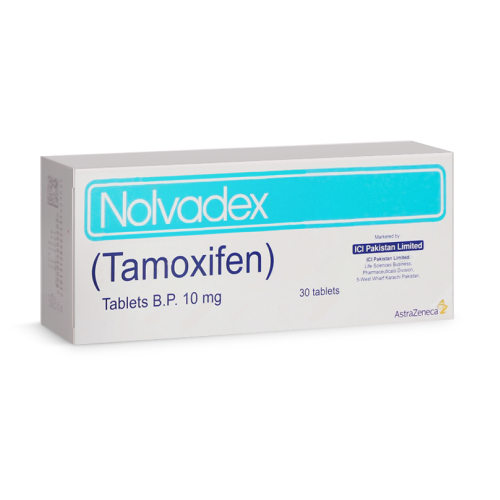
| Medication Name | Nolvadex |
|---|---|
| Main Substance | Tamoxifen |
| Intended Use | Breast Cancer Treatment and Risk Reduction |
| Strength Variants | 10 mg, 20 mg tablets |
| How Quickly It Begins to Work | Within several weeks (clinical response is typically observed in 4–8 weeks) |
| How Long It Remains Active | Elimination half-life approximately 5–7 days; sustained effect with daily dosing |
| Administration Schedule | Usually daily, as prescribed by a healthcare provider |
| Food and Drink Compatibility | Can be taken with or without food |
| Prescription Requirement in United States | Prescription only (FDA-regulated) |
Nolvadex: Guidance for Breast Cancer in United States
Nolvadex, whose active ingredient is Tamoxifen, is a widely used medication for managing and reducing the risk of certain types of breast cancer. It is approved for use in the United States and available by prescription. Whether you or someone you care for is navigating a new diagnosis, considering treatment options, or exploring preventive strategies, understanding how Nolvadex fits into breast cancer care is essential.
Facing Breast Cancer: How Common, How Solvable?
Receiving a diagnosis or even a warning sign related to breast cancer triggers immediate concern and countless questions. The reality, however, is that breast cancer is not rare or untreatable. According to the American Cancer Society, in 2023 over 297,000 new cases of invasive breast cancer were expected to be diagnosed among women in the United States. Early diagnosis and modern treatments like Tamoxifen have significantly improved outcomes. The Centers for Disease Control and Prevention (CDC) report that the five-year survival rate for localized breast cancer now exceeds 90%. These statistics underline two points: if you are facing this condition, you are not alone—and effective, evidence-based treatments are available.
How Nolvadex Fights Breast Cancer: Mechanism and Meaning for You
Tamoxifen, the active component of Nolvadex, is classified as a selective estrogen receptor modulator (SERM). Many breast cancers rely on the hormone estrogen to grow. Nolvadex works by binding to estrogen receptors in breast tissue, blocking estrogen from attaching and sending growth signals to cancer cells. This interruption slows or halts the progression of tumors classified as estrogen receptor-positive (ER+).
The practical implication is that Nolvadex can shrink existing tumors, reduce the risk of recurrence after treatment, and even decrease the likelihood of developing breast cancer in high-risk individuals. Most patients will not “feel” an immediate effect, as the medication works over weeks to months. Regular monitoring via imaging and lab tests will show how your body is responding, while side effects and well-being should be tracked and discussed with your doctor.
- Estrogen Receptor Positive (ER+): Tumors that respond to estrogen. Nolvadex is primarily effective against these.
- Adjuvant Therapy: Treatment given after surgery to lower the risk of cancer coming back. Nolvadex is commonly used in this way.
- Preventive Use: For people at high risk, Nolvadex can help prevent breast cancer from developing.
Is Nolvadex Right for Me? Recognizable Scenarios
| Your Situation | Is Nolvadex Appropriate? | Reason |
|---|---|---|
| You have recently been diagnosed with early-stage, estrogen receptor-positive breast cancer. | Yes | Nolvadex is a standard first-line treatment to reduce the risk of recurrence after surgery. |
| You finished primary treatment (surgery, chemotherapy, or radiation) and are concerned about relapse. | Yes | As adjuvant therapy, Nolvadex can lower the likelihood of cancer returning, especially for ER+ types. |
| You are at high risk (strong family history, genetic predisposition) but have not had breast cancer. | Possible | Nolvadex is FDA-approved for risk reduction in women at elevated risk, but risks and benefits must be weighed individually with your doctor. |
| Your breast cancer is not hormone-sensitive (estrogen receptor negative). | No | Nolvadex does not work for tumors that do not rely on estrogen for growth—other therapies are indicated. |
| You are male with breast cancer. | Often | Nolvadex is used for hormone receptor-positive breast cancer in men; consult a specialist for suitability. |
| You are pregnant or planning to become pregnant. | No | Nolvadex can harm fetal development—alternative approaches are required during pregnancy. |
In all cases, personalized medical advice is essential. Tamoxifen is not suitable for everyone, and your oncologist will consider your diagnosis, medical history, and individual risk factors before prescribing.
Starting Nolvadex: What to Expect and Everyday Tips
- Timing: Nolvadex is usually taken once daily, at the same time each day. Consistency helps maintain stable drug levels.
- With or Without Food: Food does not impact absorption. Take Nolvadex with a meal if it helps you remember or eases stomach discomfort.
- If You Miss a Dose: Take it as soon as you remember if it is the same day. If it is nearly time for your next dose, skip the missed dose—do not double up. Missing one dose is not typically dangerous but try to avoid repeated missed doses.
- If It Does Not Seem to Work: Objective benefits may not be immediately apparent. Periodic imaging and bloodwork, arranged by your oncologist, will assess treatment success. If you notice new symptoms or progression, notify your healthcare team promptly.
- Combining with Other Treatments: Nolvadex can be used alongside surgery, chemotherapy, or radiation, but timing and sequencing should always be managed by your oncology provider.
- Alcohol and Supplements: Moderate alcohol use is not strictly contraindicated, but excessive drinking may increase certain risks. Some supplements, especially those with estrogenic effects, can interfere with Nolvadex—discuss any over-the-counter products with your doctor.
- Duration: Standard treatment is 5 years. Some individuals may benefit from a longer course, based on recent evidence and your risk profile.
Who Should Not Use Nolvadex?
- Pregnancy: Contraindicated because Tamoxifen can cause birth defects and developmental problems if used during pregnancy.
- History of Deep Vein Thrombosis or Pulmonary Embolism: Not recommended due to increased risk of blood clots—Nolvadex can further raise this risk by affecting clotting factors.
- Known Allergy to Tamoxifen or Similar Compounds: Use is prohibited if you have demonstrated hypersensitivity—risk of severe allergic reaction.
- Concurrent Use with Certain Anticoagulants: Some blood thinners (e.g., warfarin) may interact dangerously with Tamoxifen, increasing bleeding risk.
- Pre-existing Endometrial Cancer: Tamoxifen may increase the risk of uterine malignancies, so alternatives are considered for these patients.
- Children: Not routinely used in pediatric populations outside of specific rare indications.
These exclusions exist to prevent severe complications. If you belong to one of these categories, your oncology team will recommend a safer alternative or a specialized approach.
Potential Side Effects: What Is Common, What Requires Action?
- Frequent and Usually Mild: Hot flashes, night sweats, mild nausea, leg cramps, fatigue—these often subside with time or can be managed with supportive care.
- Occasional and Worth Reporting: Changes in menstrual cycle, vaginal discharge, mild skin rashes, mood swings.
- Rare but Serious (Seek Immediate Help): Sudden shortness of breath, chest pain, swelling or pain in the legs—these could signal a blood clot. Unusual vaginal bleeding may indicate a uterine problem. If you experience these, contact emergency services (United States: call 911) or go to the nearest emergency department without delay.
Most people tolerate Nolvadex well, but any persistent, unusual, or severe symptom should be reported to your health provider. Regular follow-ups will help detect and address any emerging concerns early.
Medication Interactions: What to Avoid with Nolvadex?
Certain medicines and supplements may reduce Nolvadex’s effectiveness or raise the risk of side effects:
- SSRIs (such as paroxetine, fluoxetine): These antidepressants can inhibit the enzyme (CYP2D6) that activates Tamoxifen in the body, potentially reducing its protective effect against cancer recurrence. Safer alternatives are available and should be discussed with your prescriber.
- Blood Thinners (e.g., warfarin): Increased risk of bleeding—close monitoring and dosage adjustments are required if co-administered.
- Some Herbal Supplements (e.g., St. John’s Wort): May alter blood levels of Tamoxifen or its active metabolites, undermining the therapy.
- Other Hormone Therapies: Combining Nolvadex with aromatase inhibitors is not standard and may be counterproductive except in specific protocols.
Always provide your oncology team with a full list of all prescriptions, over-the-counter products, and supplements you use. This allows for proactive management of potential interactions and maximizes your safety.
Comparing Nolvadex to Alternatives: Pros, Cons, and Context
| Medication | Best For | Main Advantages | Main Limitations |
|---|---|---|---|
| Nolvadex (Tamoxifen) | Premenopausal and postmenopausal women (ER+ breast cancer); risk reduction in high-risk women; men with ER+ cancer | Long track record; oral administration; can be used in both pre- and postmenopausal; proven efficacy | Risk of blood clots, rare uterine cancer, not helpful for ER- tumors |
| Aromatase inhibitors (e.g., anastrozole, letrozole) | Postmenopausal women with ER+ breast cancer | Lower risk of blood clots and uterine cancer; slightly higher efficacy in preventing recurrence in postmenopausal women | Not effective in premenopausal women; can cause bone loss and joint pain |
| Fulvestrant | Advanced or metastatic ER+ breast cancer after other therapies | Useful when other hormonal therapies have stopped working | Injection only; for advanced cases; more expensive |
Nolvadex remains a preferred option for many, especially those who are premenopausal or have specific risk profiles. For postmenopausal women, aromatase inhibitors may be considered, particularly if there are concerns about blood clot risk or bone health. If you experience intolerable side effects or your situation changes, your care team will discuss switching or sequencing treatments. This honest comparison lets you see where Nolvadex fits—and where it does not.
Nolvadex in Practice: Price, Access, and What to Expect in the United States
| Cost Item | Amount (USD) | Notes |
|---|---|---|
| Doctor/Oncologist Consultation | $100–$350 per visit | Required for diagnosis and prescription; covered by insurance in many cases |
| Prescription Fee (if separate) | $0–$25 | May be included in visit or telemedicine fee |
| Nolvadex (Tamoxifen) Tablets | $20–$120 per month | Generic versions often at lower end; brand-name higher |
| Delivery (pharmacy or mail order) | $0–$15 | Some online pharmacies offer free standard shipping |
| Total (First Month) | $120–$510 | Includes consultation, prescription, medication, and delivery |
| Ongoing (Monthly, After Initiation) | $20–$135 | Medication and delivery only |
Access: Nolvadex is regulated by the U.S. Food and Drug Administration (FDA) and must be obtained with a valid prescription. While some websites offer Tamoxifen without a prescription, this practice is not legal in the United States and exposes you to significant risks, including counterfeit medications or lack of professional follow-up.
Most major chain pharmacies and online pharmacies (with appropriate documentation) can fill Tamoxifen prescriptions. Generic Tamoxifen is widely available and offers the same clinical benefit at a lower cost compared to brand-name Nolvadex. Insurance coverage is common, but copays vary by plan and state. If cost is a barrier, ask your provider about patient assistance programs or manufacturer coupons.
When ordering online, ensure you use a U.S.-licensed pharmacy. Look for the National Association of Boards of Pharmacy (NABP) “VIPPS” accreditation or check with state pharmacy boards.
What Else Should I Know Before Deciding?
Expert commentary from Dr. Amanda Lewis, MD, Board-Certified Medical Oncologist, New York:
“When patients ask me if Nolvadex is the right choice, I look beyond the diagnosis. Family history, age, menopausal status, personal risk tolerance, and lifestyle all play a role in how we approach treatment. The most important step is an open dialogue with your care team. Be honest about your goals, side effect concerns, and any medication or supplement use. Remember, your treatment plan is not static—if something isn’t working, we can adjust. As a physician, my goal is to support you with both expertise and empathy through every phase of your care.”
It is natural to wonder about how Nolvadex will affect your daily life, fertility, sexual health, or personal plans. While the medication is safe for most, it can impact menstrual cycles and is not safe to use during pregnancy or nursing. Discuss your long-term plans openly—your oncologist can help you coordinate fertility preservation, contraception, or other life events around your treatment.
For patients transitioning from active cancer treatment to prevention, or those considering switching therapies, clarify with your provider how long you should continue Nolvadex, and when to consider alternatives. There is no “one size fits all” timeline—your risk profile and response will guide these decisions.
If you have lingering questions about safety, effectiveness, or what to expect, keep a journal of your symptoms or questions between appointments. This helps ensure your concerns are addressed promptly and thoroughly by your care team.