
- Home/
- Buy Antabuse in Online Pharmacy in the United States Today
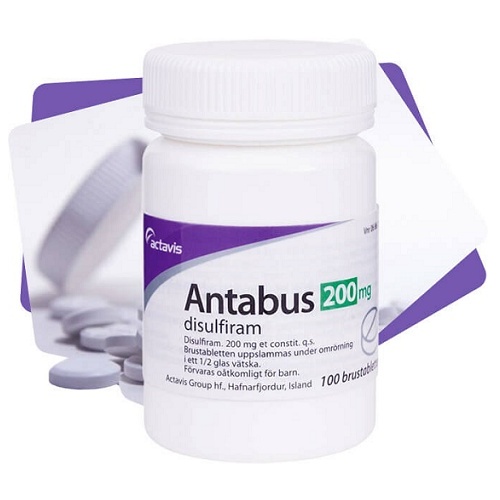
| Medication Name | Antabuse |
|---|---|
| Main Component | Disulfiram |
| Indication | Alcohol Use Disorder (AUD) / Alcohol Dependence |
| Formulations Available | Tablets: 250 mg, 500 mg |
| How Fast It Acts | Alcohol reaction can start within 10-30 minutes after alcohol consumption, if disulfiram is present in the body |
| How Long Effects Last | Effects may persist for up to 1-2 weeks after last dose |
| How to Take | Daily oral tablet, usually in the morning |
| Prescription Required? | Yes, in the United States |
| Estimated Price Range (US) | Approx. $25–$70 per month (generic) |
Antabuse: What to Know Before Choosing It in the United States
Antabuse is a prescription treatment for alcohol dependence, containing the active ingredient disulfiram. Designed to support those aiming to stay alcohol-free, it is approved for use in the United States and widely available through pharmacies and licensed healthcare providers. If you are considering whether Antabuse is right for you or someone you care about, understanding its role, safety, and practical aspects is essential.
Recognizing Alcohol Dependence: You’re Not Alone
Alcohol dependence, also called Alcohol Use Disorder (AUD), is a medical condition affecting millions in the United States. According to the National Institute on Alcohol Abuse and Alcoholism (NIAAA), in 2022, about 28.8 million adults in the U.S. had AUD. The World Health Organization (WHO) also ranks alcohol use as a leading risk factor for disease and early death globally (WHO, 2023). These numbers demonstrate that this is not a rare or unique struggle—it is a widespread health challenge that many people face, and it is treatable. Effective interventions exist, including medications like Antabuse, psychosocial therapies, and support groups, helping people regain control of their lives.
How Antabuse Works: Mechanism and Real-Life Impact
- What happens in your body: Disulfiram, the main compound in Antabuse, blocks an enzyme in your liver called aldehyde dehydrogenase. Normally, this enzyme breaks down acetaldehyde, a toxic byproduct formed when your body processes alcohol.
- The practical result: If you drink alcohol while taking Antabuse, acetaldehyde builds up rapidly in your system. This causes uncomfortable and potentially dangerous symptoms—flushing, nausea, vomiting, headache, rapid heartbeat, and chest pain—within minutes of alcohol intake.
- What you feel day-to-day: While Antabuse does not reduce cravings, it acts as a psychological and physical deterrent. Knowing the effects that will occur if you drink may help you avoid alcohol in risky situations.
This mechanism does not remove the desire for alcohol by itself, but it makes drinking an unappealing and hazardous choice while the medication is in your system. Most patients report feeling more confident about staying abstinent, especially during the initial months of recovery when urges can be strongest.
Is Antabuse Right for You? Matching Treatment to Real-Life Scenarios
| Your Situation | Is Antabuse Suitable? | Reason |
|---|---|---|
| You have completed alcohol detox, are highly motivated, and want extra protection against relapse. | Yes | Antabuse provides a strong deterrent and can reinforce abstinence when motivation is high. |
| You struggle with impulse control or have relapsed several times despite counseling. | Yes, with supervision | Antabuse can serve as a daily reminder and barrier, but regular follow-up and support are essential for best results. |
| You have severe heart or liver problems, or a history of psychosis. | No | Antabuse can cause dangerous reactions in these conditions; alternative treatments are safer. |
| You are pregnant or plan to become pregnant soon. | No | Safety data is insufficient; other approaches are recommended. |
| You wish to reduce alcohol but are not ready to stop completely. | No | Antabuse requires full abstinence; medications like naltrexone or acamprosate may better fit your goals. |
If you are unsure where you fit, a consultation with a healthcare provider familiar with alcohol dependence treatment is recommended. They can help weigh the risks and benefits in your specific context.
Using Antabuse in Everyday Life: What to Expect and How to Manage Challenges
- Timing and routine: Take Antabuse once daily, ideally in the morning. Consistency helps maintain its deterrent effect; missing doses can reduce protection.
- Food and drink considerations: Antabuse can be taken with or without food. Avoid all products containing alcohol, including cough syrups, certain sauces, vinegars, aftershaves, and even some mouthwashes—these can trigger a reaction.
- If you miss a dose: Take it as soon as you remember, unless it’s almost time for the next dose. Do not double up. If you miss several days, inform your provider before restarting.
- What if you accidentally drink alcohol? Symptoms can come on rapidly, including flushing, nausea, vomiting, and rapid heartbeat. Severity can range from mild to life-threatening, depending on how much alcohol and Antabuse are in your system.
- If it “doesn’t work”: If you find yourself drinking despite Antabuse, or if you feel no deterrent effect, discuss this with your doctor. Sometimes, additional counseling or switching to another medication is appropriate.
Most people tolerate Antabuse well, but support from a healthcare provider and a network of family, friends, or recovery groups increases the likelihood of successful long-term abstinence.
Is Antabuse Safe for You? Understanding Contraindications
- Severe liver disease: Disulfiram can worsen liver function, so those with significant liver impairment should not use it. The risk is serious liver injury or failure.
- Cardiac disease: Major heart conditions, such as coronary artery disease, are a contraindication because Antabuse-alcohol reactions can lead to dangerous heart rhythm and blood pressure changes.
- History of severe psychiatric disorders (especially psychosis): Antabuse may exacerbate symptoms or interact unpredictably with psychiatric medications.
- Pregnancy and breastfeeding: Safety data is lacking, and risks to the fetus or infant are not fully known.
- Recent use of metronidazole or paraldehyde: Risk of severe interactions exists.
If you have any of these conditions, speak with your doctor about other options. Never start or stop disulfiram without medical advice, as unrecognized health risks can emerge.
Side Effects: What Could Happen and What You Should Do
- Common side effects: Fatigue, skin rash, mild headache, and a metallic or garlic-like taste in the mouth. These often resolve on their own as your body adjusts.
- Occasional but not rare: Drowsiness, mild gastrointestinal discomfort (nausea, upset stomach), mild allergic reactions.
- Rare but potentially serious: Severe skin reactions, yellowing of the eyes or skin (a sign of liver injury), persistent vomiting, or mental changes (confusion, mood swings).
If you experience severe symptoms such as chest pain, difficulty breathing, fainting, or signs of liver problems (jaundice, dark urine), seek immediate help. In the United States, call 911 for medical emergencies, or the Poison Help line at 1-800-222-1222 for suspected overdose or severe reactions.
Drug and Substance Interactions: Protecting Yourself Beyond Alcohol
- Alcohol-containing products: Even small amounts in foods, medicines, or hygiene products can trigger a reaction while on Antabuse.
- Certain antibiotics (e.g., metronidazole): Taking these with disulfiram can cause psychotic reactions or confusion.
- Other medications for mental health or seizures: Some drugs may interact with Antabuse, leading to increased risk of side effects or reduced efficacy.
Always inform your healthcare provider and pharmacist about all medications and supplements you use, so they can check for interactions. If you are prescribed new medications, remind your provider that you are taking disulfiram.
How Does Antabuse Compare to Other Treatments?
| Medication | How It Works | Best For | Main Limitation |
|---|---|---|---|
| Antabuse (Disulfiram) | Blocks breakdown of alcohol, causing unpleasant reactions | People committed to abstinence, needing a deterrent | Not effective if motivation is low; risk of severe reaction if alcohol consumed |
| Naltrexone | Reduces pleasure/cravings from alcohol | Those aiming to reduce drinking or stop gradually | Not suitable for people with liver failure; does not cause a reaction with alcohol |
| Acamprosate | Helps restore brain balance in abstinence | Maintaining abstinence once detox is achieved | Requires multiple daily doses; not effective for everyone |
| Topiramate / Gabapentin (off-label) | Reduces cravings (mechanism varies) | When other options aren’t tolerated or effective | Not FDA-approved for AUD; more side effects |
Antabuse stands out for its deterrent effect, but it is not right for those unable to commit to abstinence or with certain medical conditions. For some, combining medication with behavioral therapy provides better results. Treatment selection should always be individualized, considering medical history, preferences, and support systems.
What You Might Actually Pay: United States Cost Breakdown
| Expense | Amount (USD) | Notes |
|---|---|---|
| Doctor Consultation | $80–$250 | Varies by provider; telemedicine may be less expensive |
| Prescription Fee (if separate) | $0–$20 | Some clinics include this in the visit fee |
| Generic Antabuse (30 tablets, 250 mg) | $25–$70 | Pharmacy price; varies by brand and location |
| Delivery (if mail-order) | $0–$15 | Standard shipping within the US |
| Total | $105–$355 | First month, including doctor visit; refills usually just medication + delivery |
Most insurance plans cover part or all of the medication cost. Generic versions are widely available and much less expensive than the brand-name drug. Some online pharmacies and telemedicine providers offer bundled services, making ongoing treatment more convenient.
Closing Gaps: Remaining Questions About Antabuse in the United States
-
Can I buy Antabuse online without a prescription in the US?
By law, Antabuse requires a prescription in the United States. However, some online sources may claim to sell it without one. This is not in line with FDA regulations, and buying from non-reputable sites carries risks of counterfeit medication, legal liability, or lack of medical oversight. The safest and most reliable approach is to consult a licensed healthcare provider who can prescribe and monitor treatment appropriately.
-
How soon can I start Antabuse after drinking alcohol?
It is advised to wait at least 12 hours after your last drink before starting Antabuse to avoid unexpected reactions. In some cases, a longer gap may be necessary—your provider will determine the safest timing based on your health status.
-
How long should I stay on Antabuse?
Duration of therapy is individualized. Some people use it for a few months during high-risk periods, while others benefit from a year or more. Decision-making should be guided by your progress, life circumstances, and in partnership with your healthcare team.
If you have additional questions or complex medical needs, a consultation with an addiction medicine specialist is strongly recommended. The FDA and the Substance Abuse and Mental Health Services Administration (SAMHSA) offer resources and provider directories for further support.