
- Home/
- Buy Priligy Online in the United States – Fast Delivery Available
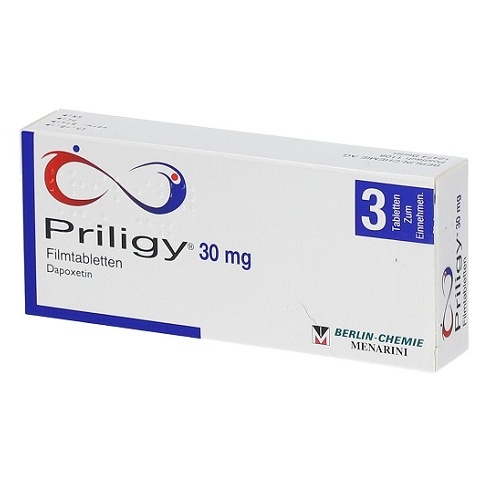
Why Priligy? A Story You Might Recognize
It’s a Saturday night. You’re with someone you care about, maybe sharing a laugh or a look that says, “Let’s go home.” But in the back of your mind, there’s a familiar tension—the worry that you’ll climax too soon, that the moment will end before it really begins. You’ve tried stopping, distracting yourself, maybe even counting backward from 100. Nothing sticks. The frustration isn’t just in your body; it’s in your relationship, your confidence, sometimes your sense of who you are as a partner.
This is where Priligy enters the picture—not as a daily commitment or a “forever fix,” but as an on-demand tool, designed for men whose biggest wish is a little more control. If you’re reading this, you may be wondering: Will Priligy change anything for me? Or will it be another disappointment—or worse, a source of new problems I didn’t see coming?
This isn’t a story about a wonder drug. It’s about a tool that, for the right man, can help reclaim intimacy—on his terms. But it’s also about understanding the difference between expectation and evidence, and how Priligy’s story in the U.S. is still evolving.
How Priligy Works—And What That Actually Means for You
Priligy’s appeal is simple: you take it a couple of hours before sex, and for many men, it delays ejaculation. The science, though, isn’t just about numbers; it’s about what happens in your brain and what you’ll feel in practice—not always what you’re told to expect.
Dapoxetine, Priligy’s active ingredient, is a short-acting SSRI. Unlike antidepressants you take every day, dapoxetine is out of your system by the next morning. When you swallow the pill, it raises serotonin levels in the brain temporarily. Higher serotonin can slow the reflex that triggers orgasm. For some, this means doubling or tripling the time to ejaculation. For others, the effect is less dramatic—or, occasionally, not noticeable at all.
- Dapoxetine
- A fast-acting SSRI developed specifically for premature ejaculation—not depression or anxiety. Unlike classic SSRIs, its effect peaks quickly and fades fast.
- Premature Ejaculation (PE)
- Not simply “coming too soon,” but a persistent pattern of ejaculation within about one minute of penetration, with little control, causing distress or problems in the relationship.
In clinical studies, men on Priligy often report a longer time before climax—but more importantly, a sense of control. The real-world catch? Anxiety, anticipation, or even a new partner can still override the chemistry. And for men whose PE is linked to underlying psychological or relationship factors, a pill is rarely a full solution.
If you’re expecting a “normal” sexual response every time, Priligy may disappoint. But if what you need is a window of opportunity—genuine extra control, when it matters—it can be life-changing.
Taking Priligy: What Changes, What Stays the Same
Taking Priligy is not a daily ritual. You only take it when you plan to have sex—usually 1 to 3 hours before. The standard starting dose in the United States is 30 mg, swallowed whole with water. If that’s not enough, your doctor may raise it to 60 mg, but only after weighing the benefits and side effects.
Food doesn’t change how Priligy works, but alcohol is a different story. Mixing Priligy with even modest amounts of alcohol can increase the risk of feeling faint, lightheaded, or suddenly dizzy. Some patients describe it as “almost blacking out” if they stand up too quickly. Driving or operating heavy machinery within a few hours of taking the pill isn’t recommended for exactly this reason.
What stays the same? The underlying causes of PE—whether psychological, relationship-based, or medical—aren’t “cured” by Priligy. Think of it as a performance enhancer for certain moments, not a fix for every situation. And if you miss the timing window (taking it too early or too late), the benefit drops off.
Which Side Effects Matter Most with Priligy—And When to Act
No medication is free of side effects, but Priligy’s are distinct—fast onset, short-lived, and, for some men, disruptive enough to end treatment. The most common are nausea, dizziness, and headache. Most appear within a couple of hours and usually resolve by the next day.
The single side effect that cannot be ignored is syncope—an unexpected fainting episode. This isn’t just feeling a little lightheaded; it’s a sudden drop in blood pressure that can lead to collapse. It happens rarely, but when it does, it’s often in the first hours after taking Priligy, especially if you’ve combined it with alcohol or stood up quickly.
- Nausea
- Common, often mild, usually improves with repeated use. If severe or persistent, contact your doctor.
- Dizziness
- Especially on standing. Sit or lie down if you feel unsteady. Avoid driving.
- Fainting
- Rare, but serious. Contact your provider immediately if you feel close to passing out or lose consciousness.
Less common side effects include insomnia, anxiety, restlessness, or a brief “hungover” sensation the next day. Allergic reactions are extremely rare, but any swelling, rash, or trouble breathing requires immediate medical attention.
| Side Effect | Frequency | When to Contact a Doctor |
|---|---|---|
| Nausea | Common | If severe, persistent, or preventing use |
| Dizziness | Common | If unsteady, faint, or symptoms worsen |
| Headache | Common | If persistent or severe |
| Fainting (syncope) | Rare | Immediately, if loss of consciousness or on feeling faint |
| Allergic reaction | Very rare | Immediately, with any swelling, rash, or difficulty breathing |
| Insomnia, restlessness, anxiety | Less common | If affecting daily life or mental health |
Most side effects resolve quickly, but fainting and allergic reactions are medical emergencies. The rest can usually be managed in partnership with your doctor—adjusting the dose, timing, or simply monitoring over time.
Priligy vs. Other Options: The Real-World Trade-Offs
For years, premature ejaculation was treated with everything from behavioral exercises to off-label use of antidepressants. Priligy is the only oral medication specifically developed and studied for on-demand use in PE. But how does it compare in the clinic—and at the pharmacy counter?
| Attribute | Priligy (Dapoxetine) | Sertraline (Off-label SSRI) | Topical Anesthetics (e.g. Lidocaine Spray/Cream) |
|---|---|---|---|
| Indication | FDA not formally approved for PE; used off-label for PE in U.S. (approved in other countries) | Major depression/anxiety; used off-label for PE | Local anesthesia; used off-label for PE |
| How It Works | Short-acting SSRI, raises serotonin only for several hours | Long-acting SSRI, taken daily, gradually increases serotonin | Numbs penile sensation locally |
| Onset/Duration | Works in ~1-3 hours; lasts up to 12 hours | Weeks to see benefit; effect continuous | Works in 15-30 min; lasts 30-60 min |
| Evidence for PE | Strongest among oral options, but not FDA-approved | Mixed evidence, variable by patient | Good for some, but may reduce pleasure |
| Common Side Effects | Nausea, dizziness, headache, (rare) fainting | Sexual dysfunction, weight gain, mood changes | Numbness, transfer to partner, irritation |
| Ease of Use | Take only as needed before sex | Take daily regardless of sexual activity | Apply before sex; timing and washing required |
| Prescription Needed? | Yes (off-label usage in U.S.) | Yes | Sometimes OTC; often Rx for higher concentrations |
| Cost/Insurance | Often not covered; price varies; generics available | Usually covered for depression, not always for PE | Varies widely; OTC options less expensive |
Interpretation: Priligy is uniquely designed for on-demand use, with effects that peak and fade in one night. For men who want to treat PE only when it matters, and avoid daily medication or unwanted sexual side effects, this is its main appeal. However, in the United States, Priligy is not FDA-approved for PE, so it is prescribed off-label—coverage by insurance is rare, and cost may be a barrier. Topical anesthetics are easier to access but have their own downsides, especially for sensation and the risk of transferring numbing agents to a partner. Long-acting SSRIs (like sertraline) require daily use and bring their own side effect profile, which may not be acceptable for men without depression or anxiety.
Getting Priligy in the United States: Access, Cost, and the System
In the United States, Priligy’s path to your medicine cabinet isn’t as straightforward as some online conversations suggest. While Priligy is approved for PE in dozens of countries, it is not officially approved by the U.S. Food and Drug Administration (FDA) for this purpose. That doesn’t make it illegal—but it does make prescribing, insurance coverage, and pharmacy stocking more variable.
- Prescription Only: You will need a doctor’s prescription, and not all physicians will be familiar or comfortable with off-label Priligy use.
- Insurance Coverage: Most commercial insurance plans do not cover Priligy for PE. Out-of-pocket costs for brand-name Priligy may be high, but generic dapoxetine is sometimes available at a lower price in compounding or specialty pharmacies.
- Pharmacy Access: Major chain pharmacies may not routinely stock Priligy. You may need to use a compounding pharmacy or order through a pharmacy that specializes in men’s sexual health.
- Telehealth: Some online men’s health platforms offer consultations and may ship dapoxetine directly, but quality and regulation can vary. Always verify the legitimacy of the provider and pharmacy.
- Importation Warning: Importing Priligy from abroad, even for personal use, may violate U.S. customs and FDA regulations. It also exposes you to the risk of counterfeit medications.
In practice: Start by speaking with a urologist or a primary care physician with experience in men’s sexual health. If your provider is unfamiliar with Priligy, bring information from reputable sources—such as published clinical guidelines or the official FDA stance (see sources below). Never buy from unverified websites, no matter how persuasive the reviews.
When Not to Take Priligy: Warnings You Can’t Ignore
- Heart Problems: Never take Priligy if you have significant heart failure, conduction abnormalities (like AV block), or a history of heart rhythm disorders. These conditions dramatically raise the risk of dangerous drops in blood pressure or irregular heartbeat.
- Severe Liver Impairment: Dapoxetine is metabolized in the liver. Severe impairment leads to unpredictable, often dangerous drug levels.
- Concurrent Use of Certain Medications: Strong CYP3A4 inhibitors (like certain antifungals or antibiotics), or MAO inhibitors, dramatically increase risk of serious side effects.
- Previous Allergic Reaction to Dapoxetine: Even a mild allergic response in the past is an absolute reason not to retry.
- Orthostatic Hypotension: If you have a history of feeling faint on standing, Priligy may worsen it. Your doctor may advise against use or recommend a supervised test dose.
- Renal Impairment: Mild to moderate kidney disease doesn’t always rule out Priligy, but dose adjustment or closer monitoring is recommended.
- Other Psychiatric Medications: Combining Priligy with SSRIs, SNRIs, tricyclics, or certain antipsychotics can increase the risk of serotonin syndrome—a rare but serious medical emergency.
- Uncontrolled Epilepsy: Priligy may lower the seizure threshold, so use is generally discouraged in men with poorly controlled seizures.
Questions Real Patients Ask About Priligy
- Is Priligy actually approved in the United States for premature ejaculation?
- No. As of 2024, Priligy (dapoxetine) is not FDA-approved for any indication in the United States, including premature ejaculation. However, many physicians prescribe it off-label based on evidence and international guideline recommendations.
- How fast does Priligy work, and how long do I have to wait?
- Most men feel the effects within 1 to 3 hours after taking a dose. Its benefits typically last 6 to 12 hours, though the greatest effect is in the first four hours. Timing is everything—miss the window, and effectiveness drops.
- Will my insurance cover Priligy or generic dapoxetine?
- Almost never, unless your insurer is willing to consider an off-label request or you secure a prior authorization. Coverage is rare and out-of-pocket costs can be substantial, especially for brand-name Priligy.
- What happens if I take Priligy and drink alcohol?
- Alcohol increases the risk of dizziness, low blood pressure, and fainting when combined with Priligy. Even small amounts can make these effects worse. For safety, avoid alcohol for at least several hours after taking Priligy.
- If Priligy doesn’t work for me, what else can I try?
- Options include daily SSRIs (like sertraline or paroxetine), topical anesthetics, behavioral techniques, or sex therapy. Each has its pros and cons, and not everyone responds the same way. Your doctor can help tailor a plan based on your needs.
- Can I take Priligy with Viagra or other ED medications?
- Generally yes, but both drugs can lower blood pressure, especially when taken together. Discuss with your provider and start with lower doses if combining for the first time. Never mix with nitrates.
- How do I know if Priligy is right for me (and not just another disappointment)?
- If your PE is persistent, causes distress, and hasn’t responded to behavioral changes, Priligy may be worth a trial. It’s best for men who want on-demand treatment and are willing to accept its short-term side effects. Some men find it life-changing; others notice little benefit. Honest conversation with a doctor who knows the landscape is key.
Doctor’s Perspective: “What often surprises my patients is how variable the response to Priligy can be. Some men find it gives them a completely new sense of control, while others feel little improvement—or can’t tolerate the side effects. It’s not about the numbers in a trial; it’s about what happens in your real life. The only way to know is an informed, cautious trial—preferably with someone you trust in your corner. That’s why a personalized approach matters more here than with most medications.”
Sources & References
- U.S. Food and Drug Administration (FDA)
- Premature ejaculation: Diagnosis and treatment – Mayo Clinic
- American Urological Association: Clinical Guidelines
- PubMed – Clinical studies on dapoxetine and premature ejaculation
- Priligy (dapoxetine) Prescribing Information, Menarini International, 2023
- Waldinger MD, et al. “Dapoxetine for the treatment of premature ejaculation: a systematic review.” International Journal of Impotence Research, 2021.
- World Health Organization (WHO)
- ClinicalTrials.gov – Studies on dapoxetine in PE