
- Home/
- Buy Glucophage in Online Pharmacy – Fast Delivery in United States
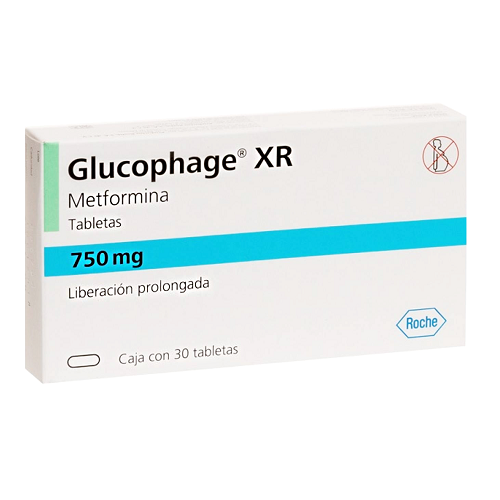
Can Glucophage Be Obtained Without a Prescription in the United States?
No, Glucophage (metformin) is a prescription-only medication in the United States. It cannot be legally dispensed or purchased without a valid prescription from a licensed healthcare practitioner.
Key Takeaways
- Glucophage is primarily used for managing type 2 diabetes and requires a doctor’s prescription in the United States.
- Most patients will notice improvements in blood sugar control within a few weeks of starting therapy, but individual results may vary.
- Major safety considerations include the risk of lactic acidosis, especially in people with significant kidney, liver, or heart problems.
- Do not discontinue or adjust Glucophage without consulting your healthcare provider.
- Consult a physician if you experience unusual fatigue, muscle pain, or trouble breathing during treatment.
- Glucophage is widely available in both brand and generic forms, with generic metformin typically offering equivalent efficacy at lower cost.
How Does Glucophage Work in the Body?
Glucophage contains metformin hydrochloride, which is a biguanide antihyperglycemic agent. Its main action is to lower blood glucose levels in people with type 2 diabetes without causing hypoglycemia when used alone. Metformin acts by:
- Inhibiting hepatic gluconeogenesis: It suppresses glucose production in the liver, primarily by inhibiting the mitochondrial respiratory-chain complex I, which reduces ATP availability needed for glucose synthesis (FDA).
- Increasing insulin sensitivity: Metformin enhances peripheral (muscle) glucose uptake and utilization by improving insulin sensitivity at the cellular level.
- Decreasing intestinal glucose absorption: It slightly reduces the amount of glucose absorbed from food in the gastrointestinal tract.
Through these mechanisms, metformin does not stimulate insulin secretion and therefore does not typically cause low blood sugar when used alone.
Metaphor: Think of the liver as a factory that makes new sugar, and Glucophage as a regulator that tells the factory to slow down, while also making the body’s “workers” (muscles) more responsive to the sugar already present.
Metformin’s glucose-lowering effect is independent of pancreatic beta cell function, which makes it suitable even when insulin production is declining.
Does Glucophage require food or activity to work? Glucophage works regardless of food intake but is usually taken with meals to improve gastrointestinal tolerance. Its effect on blood sugar is not dependent on food or activity, but healthy diet and exercise remain crucial for optimal results.
Many Patients Expect Immediate Results, but Glucophage’s Impact Is Often Subtle at First
In my clinical experience, a common misconception is that Glucophage will dramatically lower blood sugar within days, or that patients will “feel different” right away. However, its effect is gradual, often taking several weeks to fully manifest in lab results. Patients tend to judge success by how they feel rather than by monitoring their blood glucose. This can lead to disappointment or premature discontinuation, especially when some experience mild stomach upset early on. I encourage patients to focus on regular blood sugar monitoring and to understand that improved energy or well-being may take time. Another overlooked issue: patients rarely ask about kidney monitoring or how lifestyle changes can potentiate metformin’s effect. Discussing these topics early can improve outcomes and set realistic expectations.
How Should Glucophage Be Taken? (Dosage Instructions)
Initial dose: The typical starting dose for adults is 500 mg once or twice daily with meals. For some, a single evening dose of 850 mg may be used. Dosage may be gradually increased by 500 mg increments every 1-2 weeks, based on blood glucose response and tolerability.
Maximum daily dose: 2,000–2,500 mg per day (depending on the formulation and specific product), divided into two or three doses. Exceeding this dose increases risk of side effects and does not improve efficacy.
Extended-release (XR) formulations: These are designed for once-daily or twice-daily dosing and may be easier on the stomach for some patients. Tablets should be swallowed whole and not split or crushed unless the specific formulation is scored and approved for splitting.
Older adults and those with kidney impairment: Lower starting and maximum doses are often recommended. Regular monitoring of kidney function is essential, as metformin is excreted via the kidneys.
When to take: Take Glucophage with meals to reduce gastrointestinal side effects such as nausea or diarrhea.
Missed dose: If you miss a dose, take it as soon as you remember, unless it’s almost time for your next dose. Never double up doses.
How Do Food, Alcohol, and Lifestyle Affect Glucophage?
- Food: Taking Glucophage with meals reduces the likelihood of stomach-related side effects. Absorption is not significantly affected by meal fat content, but some patients report improved tolerance with larger meals.
- Alcohol: Alcohol should be limited or avoided during Glucophage therapy. Excessive drinking (e.g., binge drinking or daily heavy consumption) increases the risk of lactic acidosis, a rare but life-threatening condition. For most adults, an occasional drink (e.g., 1–2 standard drinks, equivalent to 5–10 oz wine or 12–24 oz beer) is unlikely to cause harm, but ask your doctor for personalized advice.
- Grapefruit juice: No clinically significant interaction has been documented between metformin and grapefruit juice.
- Exercise: Regular physical activity enhances the medication’s effect and is recommended as part of standard diabetes management.
Bottom line: Take Glucophage with food, avoid excess alcohol, and maintain a healthy lifestyle for best results.
Who Should Not Take Glucophage? (Absolute and Relative Contraindications)
- Absolute Contraindications:
-
- Severe kidney impairment (estimated glomerular filtration rate < 30 mL/min/1.73 m2)
- Acute or chronic metabolic acidosis (including diabetic ketoacidosis)
- Hypersensitivity to metformin or any excipients
- Acute conditions at risk for tissue hypoxia (e.g., severe infection, shock)
- Recent or ongoing lactic acidosis
- Relative Contraindications (Use with Caution):
-
- Moderate kidney impairment (eGFR 30–45 mL/min/1.73 m2): dosage adjustment or closer monitoring required
- Severe liver disease (risk of lactic acidosis)
- History of heart failure or recent myocardial infarction (if unstable)
- Heavy alcohol use
- Age over 80 unless normal renal function is documented
- Pregnancy and breastfeeding: metformin may be continued in some cases, but always under medical supervision
Why these restrictions? Metformin is excreted via the kidneys and can accumulate if kidney function is impaired, increasing the risk of lactic acidosis. Liver and cardiac issues can also raise this risk by affecting metabolism and oxygen delivery.
What Are the Most Common and Serious Side Effects?
- Very Common (>10%):
-
- Gastrointestinal symptoms (nausea, vomiting, diarrhea, abdominal pain, loss of appetite)
- Common (1–10%):
-
- Metallic taste in mouth
- Mild weight loss
- Rare (<0.1%):
-
- Lactic acidosis (medical emergency, symptoms include rapid breathing, severe weakness, abdominal discomfort, confusion) — requires immediate medical attention
- Vitamin B12 deficiency (may develop over several years of use)
- Skin rash or urticaria
- Very Rare:
-
- Liver dysfunction (hepatitis, abnormal liver tests)
Mechanism of GI effects: Metformin increases intestinal motility and may alter gut flora, leading to temporary diarrhea or discomfort, especially when therapy starts or dose increases.
Action if side effects occur: For mild stomach upset, take the medicine with food and wait; symptoms often subside. If severe or persistent, consult your doctor. Seek immediate care for signs of lactic acidosis, severe vomiting, or unexplained fatigue.
Common Missteps with Glucophage That Undermine Treatment
- Stopping medication at the first sign of stomach upset: Many patients discontinue Glucophage after initial nausea or diarrhea, not realizing these effects often diminish after a week or two. Tip: Unless symptoms are severe, persevere and talk to your doctor before stopping.
- Taking the medication on an empty stomach: Skipping meals or taking Glucophage without food increases GI side effects. Tip: Always take with or after meals.
- Ignoring kidney function monitoring: Some patients do not follow up with regular blood tests to check kidney health, potentially increasing risk of rare but serious complications. Tip: Ensure labs are checked at least once per year, or more often if at risk.
- Inconsistent dosing or missed doses: Irregular use undermines blood sugar control. Tip: Set reminders to stick to your schedule.
- Combining with excess alcohol: Social drinking may seem harmless, but binge or daily heavy drinking can lead to dangerous lactic acidosis. Tip: Discuss safe limits with your healthcare provider.
- Not informing healthcare professionals before radiologic procedures: Metformin must often be paused before and after certain contrast scans to avoid kidney injury. Tip: Tell all healthcare providers you use metformin before any medical imaging.
Glucophage vs. Alternatives: How Does It Compare?
Several medications are available for type 2 diabetes. Below is a comparison of Glucophage with two common alternatives—SGLT2 inhibitors (e.g., empagliflozin) and sulfonylureas (e.g., glipizide).
| Medication | Mechanism | Onset | Common Side Effects | Estimated Price† | Unique Benefits | Main Drawbacks |
|---|---|---|---|---|---|---|
| Glucophage (Metformin) | Inhibits hepatic glucose production, increases insulin sensitivity (Biguanide) | Within days; full effect in several weeks | GI upset, rare lactic acidosis | $0.05–$0.40/tablet (generic); $2–$4 (brand) | No weight gain, low risk of hypoglycemia, proven CV benefit | GI side effects, not for advanced kidney disease |
| Empagliflozin (Jardiance) | SGLT2 inhibitor: increases urinary glucose excretion | Within days | Genital infections, dehydration, urinary tract infections | $14–$18/tablet | Weight loss, CV and kidney benefits | Cost, risk of yeast/UTI, not for severe kidney impairment |
| Glipizide | Sulfonylurea: stimulates insulin secretion | Rapid (within hours) | Hypoglycemia, weight gain | $0.10–$0.60/tablet | Low price, strong glucose lowering | Risk of low blood sugar, weight gain, less durable effect |
Summary: Metformin remains preferred as first-line for most, due to efficacy, safety, and cost. Newer agents offer specific advantages (e.g., weight loss, CV protection) at higher prices, but may be better suited for select patients.
Essential Product Information (Glucophage/Metformin)
| Parameter | Value |
|---|---|
| Active Ingredient | Metformin hydrochloride |
| Available Strengths | 500 mg, 850 mg, 1000 mg (immediate- and extended-release) |
| Formulations | Tablets (IR and XR), oral solution (limited availability) |
| Typical Dosing | 500–2500 mg daily (divided doses) |
| Time to Peak Concentration | 2–3 hours (IR), 6–8 hours (XR) |
| Half-Life | ~6 hours |
| Storage | Room temperature (68–77°F); avoid humidity |
| Prescription Required? | Yes |
| Insurance Coverage | Widely covered by most major US health plans/Medicare |
Glucophage Compatibility with Other Medications
| Product/Drug | Can be Combined? | Potential Consequences |
|---|---|---|
| Aspirin (low dose) | Yes | No significant interaction |
| Insulin | Yes | May enhance blood glucose lowering; monitor for hypoglycemia |
| Contrast dyes (IV for imaging) | STRICTLY NO (temporarily) | Risk of kidney injury and lactic acidosis—pause metformin before and after |
| Alcohol (excessive) | STRICTLY NO | Major risk of lactic acidosis |
| ACE inhibitors | Yes (with caution) | Monitor kidney function |
| Grapefruit juice | Yes | No known interaction |
| NSAIDs (e.g., ibuprofen) | Yes (with caution) | Monitor kidney function in combination |
How to Get Glucophage: Step-by-Step in the US Healthcare System
- Schedule a medical consultation: Arrange an appointment with your primary care physician, endocrinologist, or a certified telehealth provider if available in your state.
- Assessment and diagnosis: Your doctor will review your medical history, current medications, lab results, and assess whether Glucophage is appropriate for your condition.
- Prescription: If suitable, your doctor will write a prescription for Glucophage (metformin), specifying the dose, formulation, and refills.
- Insurance processing: Submit your prescription to your preferred pharmacy (in person or electronically). Most US insurance plans—including Medicare Part D—cover generic metformin; copay amounts vary.
- Pharmacy fulfillment: The pharmacist will verify your prescription, review potential drug interactions, and provide counseling on proper use. For telemedicine, some platforms ship medications directly, following US regulations.
- Ongoing monitoring: Follow up regularly with your doctor to monitor blood sugar, kidney function, and adjust treatment as needed.
Tip: Keep a list of current medications and allergies handy to facilitate prescription review.
Safe Pharmacy Practices and Online Safety in the US
How can you ensure a pharmacy is legitimate?
- Only use US-based online pharmacies certified by the National Association of Boards of Pharmacy (NABP) or carrying the .pharmacy domain.
- Check for state licensure and visible contact information (address, phone number).
- Beware of sites offering prescription drugs without requiring a prescription—this is illegal and unsafe.
- Legitimate pharmacies display pharmacist credentials and offer medication counseling.
- Prices that seem “too good to be true” may signal counterfeit or unsafe products.
- Review privacy policies and ensure the website uses secure payment methods (look for HTTPS).
Risks of unsafe sources: Counterfeit medicines may lack active ingredient, contain harmful substances, or have incorrect dosages. The FDA maintains a list of warning signs for fake online pharmacies.
How to Recognize Genuine Glucophage and Generics
- Original Glucophage packaging: Manufactured by Merck Sante SAS in the US, legitimate packaging includes lot number, expiration date, manufacturer name, and a tamper-evident seal.
- Pill appearance: Tablets are typically white, round or oval, with “BMS” or “500/850/1000” engraving on one side, depending on dose.
- Blister packs: Foil blisters are labeled with product name, dose, and manufacturer. Paperboard cartons display US NDC number (National Drug Code).
- QR codes/holograms: Some US manufacturers have adopted QR codes or holograms for verification; check packaging for these security features and use your smartphone to scan if available.
- Price warning: If the price is far below market average, this may indicate a counterfeit or unauthorized import.
Generics vs. Original Glucophage: What’s the Difference?
FDA-approved generics (such as those by Teva, Sun Pharma, or Mylan) are required to demonstrate equivalent absorption, efficacy, and safety. Differences may include:
- Inactive ingredients (excipients): Generics may use different fillers, binders, or coloring agents. Rarely, these can trigger allergies in sensitive individuals.
- Tablet shape or imprint: Generic metformin tablets may look different but should always have clear markings.
Advantages of generics: Considerably lower cost, usually identical therapeutic effect. If you have allergies to dyes or fillers, ask your pharmacist about specific generic formulations.
How Is Glucophage Processed in the Body?
Metformin is not metabolized by the liver but absorbed in the small intestine. It is distributed throughout body tissues, accumulates in the liver, kidneys, and GI tract, and is eliminated unchanged in urine by the kidneys.
- Time to peak blood concentration: 2–3 hours (immediate release), 6–8 hours (extended release)
- Elimination half-life: About 6 hours
- Excretion: 90% excreted in urine within 24 hours; not removed by liver enzymes
Clinical significance: Because metformin is cleared primarily by the kidneys, patients with impaired kidney function are at risk of accumulation and toxicity.
Special Considerations for Specific Patient Groups
- Chronic kidney disease (CKD): Not recommended if eGFR < 30 mL/min/1.73 m2; use caution 30–45 mL/min/1.73 m2.
- Older adults (>80 years): Careful assessment of kidney function required before and during treatment.
- Pregnancy and breastfeeding: Increasingly used in pregnancy for gestational diabetes, but only under expert supervision. Metformin is excreted in breast milk in small amounts; discuss with your doctor.
- Liver or heart disease: Risk of lactic acidosis is increased; use only if benefits clearly outweigh risks.
- Driving and operating machinery: Metformin alone generally does not cause hypoglycemia, so does not impair ability to drive. However, combined with other diabetes drugs, low blood sugar risk may increase.
- Fertility: No evidence that metformin impairs fertility. In polycystic ovary syndrome (PCOS), metformin may even improve ovulatory function.
What to Do in Case of Glucophage Overdose
- Stop taking the medication immediately.
- Call emergency services: Dial 911 or contact Poison Control at 1-800-222-1222.
- Inform medical personnel: Give the name of the drug, dose taken, and when.
- Do not attempt to induce vomiting unless directed by medical professionals.
- Monitor for symptoms: Deep, rapid breathing, severe drowsiness, muscle pain, or confusion require urgent care.
Note: There is no specific antidote; emergency management may include supportive care and, in severe cases, hemodialysis.
Acknowledging the Emotional Side of Diabetes Treatment
Living with type 2 diabetes can be overwhelming at times, and many people feel frustrated or discouraged about needing long-term medication. Remember, you are not alone—millions of Americans manage diabetes successfully with support from their healthcare teams. If you are struggling emotionally, don’t hesitate to reach out to a mental health professional or support group. Discussing your concerns openly with your doctor or family can also be helpful.
Myth vs. Reality: Glucophage Expectations
- Myth: “Glucophage works instantly.”
Reality: Blood sugar improvement is typically gradual. Full benefits may take weeks to months to appear in laboratory results. - Myth: “If I feel fine, the medicine is working.”
Reality: Many people do not physically feel blood sugar changes. Regular monitoring is essential to judge effectiveness. - Myth: “I can stop the medicine if my sugars are normal.”
Reality: Stopping suddenly can cause glucose to rise again. Always consult your provider before making changes.
Questions Patients Often Ask doctor
- How soon will I know if Glucophage is working for me?
- Most patients begin to see improved blood sugar readings within 1–2 weeks, but it may take 2–3 months for A1C (long-term glucose control) to reflect full benefit. Consistent monitoring and follow-up labs are the best way to track progress.
- Do I need to change my diet once I start metformin?
- Yes, dietary changes remain important. Metformin works best when combined with a balanced diet that limits simple sugars and excess calories. The drug is not a substitute for healthy eating.
- Will I lose weight on Glucophage?
- Some patients experience mild weight loss; this varies from person to person. Glucophage does not cause weight gain, but lifestyle factors play a larger role in overall results.
- Is it safe to take metformin with my other medications?
- Most common medicines are compatible, but it’s crucial to review your full medication list with your doctor or pharmacist, especially if you’re taking drugs affecting the kidneys or undergoing imaging studies with contrast dyes.
- How often will I need blood work while on Glucophage?
- Typically, kidney function and A1C are checked every 3–6 months, but your doctor may recommend more frequent testing if you have additional risk factors.
- Can Glucophage cure my diabetes?
- No, Glucophage helps to control blood sugar, but it does not cure diabetes. Stopping therapy or ignoring lifestyle advice can cause your glucose levels to rise again.
doctor’s Clinical Assessment: Who Benefits Most?
In my clinical practice, Glucophage (metformin) is most effective for adults newly diagnosed with type 2 diabetes who have mild to moderate elevations in blood glucose and preserved kidney function. It is particularly well-suited for patients with overweight or obesity, given its neutral to beneficial effects on body weight. Those with metabolic syndrome, polycystic ovary syndrome (PCOS), or prediabetes (in some cases) can also benefit. However, caution is needed in older adults, those with moderate to severe kidney or liver impairment, and individuals at elevated risk of lactic acidosis. Patients who are unable or unwilling to make lifestyle modifications may see less dramatic results. In cases where Glucophage is poorly tolerated or contraindicated, alternative therapies such as SGLT2 inhibitors or GLP-1 agonists may be preferable, especially when cardiovascular or renal disease is present. Ultimately, selecting the right therapy entails a careful balance of efficacy, side effect profile, comorbidities, patient preference, and cost considerations. Periodic reassessment is essential as diabetes is a progressive condition and management needs often change over time.
Frequently Asked Questions (FAQ)
- Is Glucophage the same as metformin?
- Yes, Glucophage is a brand name for metformin hydrochloride, a widely used oral medication for type 2 diabetes.
- Can I buy Glucophage without a prescription in the US?
- No, a valid prescription from a licensed healthcare provider is required by law in the United States.
- What should I do if I miss a dose?
- Take the missed dose as soon as you remember, unless it is almost time for your next dose. Do not double up doses. Continue with your regular schedule.
- How much does Glucophage cost in the US?
- Generic metformin is inexpensive, often costing $5–$20 per month with insurance, and $0.05–$0.40 per tablet without. Brand-name Glucophage is more expensive at $2–$4 per tablet. Prices vary by pharmacy and insurance plan.
- How long do I need to take Glucophage?
- Type 2 diabetes is a chronic condition. Most patients will require ongoing therapy, though doses and medications may change over time based on response and side effects.
- What are the signs of lactic acidosis?
- Symptoms include unexplained muscle pain, severe fatigue, weakness, abdominal pain, rapid breathing, and confusion. Seek immediate medical attention if these occur.
- Can I take Glucophage if I’m pregnant?
- Metformin is used in some cases of gestational diabetes, but always under close medical supervision. Discuss risks and benefits with your obstetrician.
- Is metformin safe for children?
- Metformin may be prescribed for children age 10 and older with type 2 diabetes, but dosing and monitoring must be managed by a pediatric specialist.
- Does Glucophage interact with other diabetes drugs?
- Yes, Glucophage is often used with other oral or injectable diabetes medicines. Your doctor will ensure safe combinations and monitor for low blood sugar.
References
- U.S. Food and Drug Administration (FDA). “Metformin Hydrochloride: Drug Information.” Accessed June 2026. https://www.fda.gov/
- American Diabetes Association. “Standards of Care in Diabetes—2026.” Accessed June 2026. https://diabetes.org/
- Mayo Clinic. “Metformin (Oral Route) Description and Brand Names.” Accessed June 2026. https://www.mayoclinic.org/drugs-supplements/metformin-oral-route/description/drg-20067074
- National Association of Boards of Pharmacy. “Safe Online Pharmacies.” Accessed June 2026. https://nabp.pharmacy/
- FDA. “Buying Medicine over the Internet.” Accessed June 2026. https://www.fda.gov/consumers/buying-medicine-over-internet
- ClinicalTrials.gov. “Metformin for Type 2 Diabetes.” Accessed June 2026. https://clinicaltrials.gov/
- PubMed. “Recent studies on metformin and cardiovascular protection.” Accessed June 2026. https://pubmed.ncbi.nlm.nih.gov/
- Merck Sante SAS. “Glucophage Prescribing Information.” Accessed June 2026. https://www.merck.com/