
- Home/
- Buy Clomid at Low Price in the United States Online
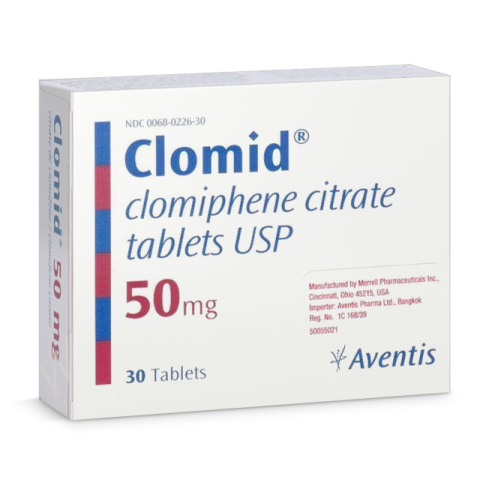
Can you obtain Clomid without a prescription in the United States?
Clomid (clomiphene citrate) is a prescription-only medication in the United States and cannot be legally obtained without a valid prescription from a licensed healthcare provider. Over-the-counter or online sale of Clomid without a prescription is not permitted under current FDA regulations.
Key Takeaways
- Clomid is indicated primarily for women with ovulatory dysfunction who wish to conceive; it is not suitable for all causes of infertility.
- Most patients begin to see results (ovulation induction) within the first 1–3 cycles of treatment.
- A prescription from a licensed healthcare provider is required to obtain Clomid in the United States.
- Serious side effects, though rare, can occur and require immediate medical attention.
- Clomid should not be used without thorough evaluation of fertility and exclusion of conditions such as ovarian cysts or liver disease.
- Consult a reproductive endocrinologist or gynecologist for safe, effective treatment planning and monitoring.
Table of Contents
- How does Clomid work to induce ovulation?
- Realistic Expectations and Treatment Challenges: Physician Insights
- How should Clomid be taken? Dosage and Duration
- Interactions: Food, Alcohol, Lifestyle, and Clomid
- Who should not use Clomid? Contraindications Explained
- What side effects are most common with Clomid?
- Avoiding Common Patient Mistakes with Clomid
- How does Clomid compare with alternatives?
- Clomid: Technical Characteristics and Product Information
- Compatibility Check: Clomid and Other Substances
- How is Clomid metabolized and eliminated?
- Special Considerations for Specific Patient Populations
- Step-by-Step: How to Obtain Clomid Safely in the U.S.
- Staying Safe: Identifying Legitimate Pharmacies Online
- Spotting Counterfeit Clomid: Safety and Generics Guide
- What should you do in case of Clomid overdose?
- Psychological Support: Emotional Aspects of Infertility
- Clinical Q&A: Answers from a Fertility Specialist
- Clinical Assessment by doctor: Who Benefits Most from Clomid?
- FAQ: Quick Answers to Common Clomid Questions
- References
How does Clomid work to induce ovulation?
Clomid (clomiphene citrate) is a selective estrogen receptor modulator (SERM) that acts on hypothalamic estrogen receptors. It works by blocking estrogen’s negative feedback at the hypothalamus, which increases the release of gonadotropin-releasing hormone (GnRH). This stimulates the pituitary gland to secrete higher levels of follicle-stimulating hormone (FSH) and luteinizing hormone (LH), both crucial for follicle growth and ovulation.
In simpler terms: Clomid “tricks” the brain into sensing low estrogen levels, prompting it to send signals (hormones) that stimulate the ovaries to release an egg. This mechanism is only effective if the ovaries are responsive and there are no anatomical or severe hormonal barriers.
Myth vs Reality: Myth: “Clomid works for all types of infertility.” Reality: Clomid is only effective for specific causes, mainly ovulatory dysfunction. It will not help with infertility due to blocked fallopian tubes, severe male factor, or structural uterine problems.
Patients Often Expect Instant Results: Managing Hopes and Realities with Clomid
As a physician specializing in reproductive endocrinology, I frequently encounter patients who expect immediate conception after starting Clomid. It’s important to clarify that while ovulation may occur during the first cycle for many women, pregnancy rates per cycle are typically between 15% and 20%, similar to natural conception rates. Another common misconception is that more medication leads to better results; in reality, higher doses may increase the risk of side effects without improving pregnancy chances. I’ve also noticed that patients rarely ask about the emotional effects of treatment or the risk of multiple pregnancies, yet these are critical topics worth discussing. In real-world practice, success with Clomid often requires patience, careful monitoring, and occasionally, adjustment of expectations.
How should Clomid be taken? Dosage and Duration
Typical starting dose: 50 mg orally once daily for five days, beginning on day 3, 4, or 5 of the menstrual cycle, as prescribed. If ovulation does not occur, the dose may be increased to 100 mg daily for five days in the next cycle. The maximum dose should not exceed 150 mg per day or a total of 750 mg per treatment cycle.
- Peak effect: Ovulation usually occurs 5–10 days after the last tablet.
- Duration: Most physicians recommend no more than 3–6 cycles of Clomid.
- Special populations: Dose adjustments are rarely necessary for elderly patients, as Clomid is not indicated post-menopause. Safety in patients with liver or severe renal impairment has not been established; Clomid should not be used in these groups.
- Splitting tablets: Most Clomid tablets are not scored; splitting is not routinely recommended unless directed by a pharmacist.
- Missed dose: Do not double the next dose; inform your provider if you miss a dose.
Interactions: Food, Alcohol, Lifestyle, and Clomid
- Food: Clomid can be taken with or without food. There is no clinically significant impact of food or fatty meals on absorption. Timing with meals is primarily for patient comfort.
- Alcohol: There are no direct pharmacological interactions, but alcohol may exacerbate side effects such as mood swings or dizziness. It is best to minimize or avoid alcohol during treatment.
- Grapefruit Juice: No specific interaction with grapefruit juice has been reported, but caution is always advised with any medication metabolized in the liver.
- Other Lifestyle Considerations: Clomid does not require activity restrictions, but certain side effects (e.g., visual disturbances) may temporarily impair driving or operating machinery.
Quick Insight: Unlike many medications, a high-fat meal does not delay Clomid absorption or reduce efficacy.
Who should not use Clomid? Contraindications Explained
Absolute Contraindications:- Liver disease or a history of liver dysfunction (because Clomid is primarily metabolized in the liver, and impaired clearance may increase toxicity risk).
- Ovarian cysts (other than those caused by polycystic ovary syndrome), due to the risk of enlargement or rupture.
- Unexplained or abnormal uterine bleeding (needs investigation before starting Clomid).
- Pregnancy or suspected pregnancy (Clomid is contraindicated and may harm fetal development).
- Known or suspected hormone-dependent tumors (e.g., endometrial carcinoma).
- Hypersensitivity to clomiphene citrate or any excipient in the formulation.
- Polycystic ovary syndrome (PCOS) with markedly enlarged ovaries—heightened risk of ovarian hyperstimulation syndrome (OHSS).
- Visual disturbances—Clomid can worsen these symptoms.
- Patients with pre-existing depression or psychiatric disorders (risk of mood changes).
Important: Clomid should not be prescribed before a full infertility evaluation. If you’ve had a recent heart attack, stroke, or blood clot, discuss risks with your physician.
What side effects are most common with Clomid?
- Very Common (>1/10):
-
- Hot flashes (vasomotor symptoms, like sudden warmth in upper body and face)
- Common (1/100 to 1/10):
-
- Abdominal bloating
- Breast discomfort
- Nausea
- Headache
- Mood swings (including anxiety or irritability)
- Visual disturbances (blurred vision, spots, flashes)
- Rare (1/1,000 to 1/100):
-
- Ovarian enlargement
- Ovarian hyperstimulation syndrome (OHSS)
- Rash or allergic reaction
- Very Rare (<1/1,000):
-
- Severe visual disturbances—may be irreversible if medication is continued
- Thromboembolic events (blood clots)
- Severe abdominal pain due to ruptured ovarian cyst
What to do: If you experience sudden or severe symptoms (especially vision changes, abdominal pain, shortness of breath, or leg swelling), stop the medication and seek immediate medical attention.
Common Pitfalls When Using Clomid: What to Avoid for Best Results
- Taking Clomid without a full fertility workup: Some patients begin treatment before confirming that tubes are open or that male partner’s sperm is normal, leading to delays and frustration.
- Missing critical monitoring appointments: Skipping ultrasounds or blood tests increases the risk of side effects like ovarian hyperstimulation or missed ovulation.
- Continuing Clomid beyond recommended cycles: Prolonged use (more than 6 cycles) increases the risk of ovarian tumors and has not been shown to improve pregnancy rates.
- Doubling up on missed doses: This increases the risk of side effects and does not improve ovulation chances.
- Ignoring visual symptoms: Continuing treatment after visual disturbances can lead to permanent vision loss.
- Assuming higher doses are better: More is not better and may increase the risk of multiple pregnancies or side effects.
- Using Clomid for non-ovulatory causes of infertility: This wastes time and may delay appropriate treatment.
How does Clomid compare with alternatives?
The most common alternatives to Clomid for ovulation induction in the United States are letrozole (Femara) and gonadotropin injections (FSH, hMG), often used in reproductive endocrinology clinics.
| Criterion | Clomid (Clomiphene citrate) | Letrozole (Femara) | Gonadotropins (FSH/hMG) |
|---|---|---|---|
| Typical Onset | 5–10 days after last tablet | 5–10 days after last tablet | 24–48h post-injection |
| Duration per cycle | 5 days (oral) | 5 days (oral) | Daily injections for 7–14 days |
| Common Side Effects | Hot flashes, mood swings, visual changes | Fatigue, headache, dizziness | Ovarian hyperstimulation, injection-site pain |
| Rate of Multiple Pregnancy | ~8–10% | ~4–6% | Up to 30% (higher-order multiples possible) |
| Cost per cycle (2026 est.) | $25–$50 (generic); $75–$100 (brand) | $20–$40 (generic); $80–$120 (brand) | $1,000–$3,000 (medication only) |
| Prescription Required? | Yes | Yes | Yes |
| FDA Approval for Ovulation Induction | Yes | No (off-label use) | Yes |
Bottom line: Clomid is usually first-line for ovulatory dysfunction due to its low cost and convenience, but letrozole may be preferred in PCOS. Gonadotropins are reserved for cases where oral agents fail.
Clomid: Technical Characteristics and Product Information
| Active Ingredient | Clomiphene citrate |
| Available Strengths | 50 mg tablets (most common); some brands may offer 25 mg or 100 mg |
| Formulation | Oral tablet |
| Packaging | Blister packs or bottles, each tablet embossed with strength and brand code |
| Storage | Room temperature (68–77°F / 20–25°C), away from moisture |
| Manufacturer (U.S.) | Multiple (including Sanofi, Teva, and generics) |
| Prescription Required | Yes |
Compatibility Check: Clomid and Other Substances
| Type of Product | Can it be combined? | Consequences |
|---|---|---|
| Oral contraceptives | No | Counteracts intended effect; prevents ovulation |
| Metformin | Yes | Common in PCOS; may improve ovulation rates |
| Alcohol | With caution | May worsen side effects (mood, dizziness) |
| Grapefruit juice | No known interaction | Monitor for unexpected side effects |
| FSH/LH injections | Yes (under medical supervision) | Used in combination in ART cycles |
| Blood thinners (warfarin, etc.) | Use caution | Potential for increased clotting risk; consult physician |
How is Clomid metabolized and eliminated?
Clomid is absorbed from the gastrointestinal tract and metabolized primarily in the liver. It undergoes enterohepatic recirculation, which means it’s reabsorbed from the gut after initial metabolism, leading to a relatively long half-life.
- Time to peak plasma concentration: 6–12 hours after oral dose.
- Half-life: Approximately 5–7 days for the active isomer (enclomiphene); inactive isomers may persist even longer.
- Elimination: Mostly via feces (unabsorbed fraction and metabolites), with some urinary excretion.
- Implications: Liver or biliary tract disease can slow elimination and increase toxicity risk.
Key Insight: The long half-life means that effects and side effects may persist for several weeks, even after stopping Clomid.
Special Considerations for Specific Patient Populations
- Patients with Liver Disease: Should not use Clomid, as metabolism is impaired and risk of toxicity is increased.
- Women with PCOS: May be more sensitive to Clomid; doses are typically started low, and risk of ovarian hyperstimulation is higher.
- Postmenopausal Women: Clomid is not indicated or effective for infertility after menopause.
- Patients with Visual or Psychiatric Disorders: Should use Clomid only under close supervision, as side effects may be more pronounced.
- Driving and Machinery Use: Temporary visual disturbances or dizziness can occur. Patients should avoid these activities if affected.
- Fertility and Family Planning: Clomid increases the chance of twins (8–10%) and higher-order multiples (<1%). It does not increase risk of birth defects, but early monitoring for multiple pregnancies is recommended.
Step-by-Step: How to Obtain Clomid Safely in the U.S.
-
Step 1: Schedule a Consultation
Arrange an appointment with a board-certified OB/GYN, reproductive endocrinologist, or fertility specialist. In-person and telemedicine options are widely available in most U.S. cities. -
Step 2: Fertility Assessment
Your doctor will review your medical history, order lab tests (including hormone panels), and may perform imaging (ultrasound, hysterosalpingogram) to assess your reproductive health and rule out other causes of infertility. -
Step 3: Prescription Issuance
If Clomid is appropriate, your physician will provide a prescription. Some clinics use electronic prescribing, while others may issue a paper script. -
Step 4: Pharmacy Fulfillment
Fill your prescription at a licensed retail or mail-order pharmacy. Large chains (CVS, Walgreens, Rite Aid) and accredited online pharmacies are common dispensing points. -
Step 5: Treatment and Monitoring
Begin Clomid as instructed. Attend all scheduled monitoring appointments (bloodwork, ultrasound). Report any side effects promptly.
Staying Safe: Identifying Legitimate Pharmacies Online
- Check pharmacy accreditation: In the U.S., look for the NABP (National Association of Boards of Pharmacy) or its .Pharmacy Verified Websites Program seal.
- Prescription requirement: Legitimate U.S. pharmacies always require a valid prescription from a licensed provider.
-
Beware of:
- Extremely low prices (“too good to be true” offers)
- Pharmacies that do not require a prescription
- No verifiable U.S. address or phone number
- Absence of pharmacist consultation
- Risk of counterfeit drugs: Unverified sources may dispense counterfeit or unsafe medications that pose serious health risks.
- Consumer protection: Use only pharmacies registered with state pharmacy boards. Check credentials on the NABP website.
Spotting Counterfeit Clomid: Safety and Generics Guide
- Original Clomid packaging typically features a branded box (white and blue design for Sanofi or respective branding for generics), batch number, expiration date, and tamper-evident seal.
- Blister packs should display the manufacturer’s logo, strength, and U.S. NDC (National Drug Code) number.
- Holograms or QR codes may be present; these can be scanned for verification in some U.S. products.
- Counterfeit warning signs: Misspelled labels, faded printing, irregular font, broken seals, or missing leaflets. Unusually low cost, non-standard packaging, or non-U.S. labeling are red flags.
- Generics: FDA-approved generics (e.g., Teva, Barr) contain clomiphene citrate as the active ingredient, but may differ in inactive ingredients. Generics are generally as effective as brand-name Clomid, but discuss with your doctor if you have allergies or sensitivities.
- Tip: Always purchase from U.S.-licensed pharmacies. Report suspected counterfeit to the FDA’s MedWatch.
What should you do in case of Clomid overdose?
- Stop taking Clomid immediately.
- Call 911 or your local emergency number; tell professionals exactly how much was taken and when.
- Do not attempt to induce vomiting unless instructed by medical personnel.
- Bring the medication packaging (if available) to the emergency department.
- Monitor for symptoms such as nausea, vomiting, abdominal pain, visual disturbances, or confusion.
- Follow all instructions provided by emergency responders.
Psychological Support: Emotional Aspects of Infertility
Infertility is a common and often emotionally challenging experience. If you are struggling to conceive, know that you are not alone. Many couples require medical assistance, and conditions like ovulatory dysfunction are highly treatable. Don’t hesitate to seek support from your healthcare provider, a therapist, or join a support group to share your journey.
Questions Patients Often Ask doctor
- How will I know if Clomid is working for me?
- Most patients ovulate within the first or second cycle; your doctor will monitor ovulation through bloodwork (progesterone testing) and/or ultrasound. If you experience a rise in basal body temperature, change in cervical mucus, or positive ovulation predictor kits, these are good signs. However, only your provider’s tests can confirm ovulation.
- What are the chances of having twins or multiples on Clomid?
- The risk of twins is about 8–10%, and the risk of triplets or higher-order multiples is less than 1%. Your provider will use the lowest effective dose and monitor your response to minimize this risk.
- Do I need to have intercourse at specific times?
- Yes, timing intercourse around ovulation is critical. Typically, you’ll be advised to have intercourse starting about 5 days after the last tablet and continue every other day for at least a week, but your doctor will tailor timing based on your cycle and monitoring.
- What happens if I don’t ovulate with Clomid?
- If you do not ovulate at the starting dose, your doctor may increase the dose in the next cycle or consider alternative medications such as letrozole or injectable gonadotropins.
- Are there any long-term risks with Clomid therapy?
- Short-term use (up to 6 cycles) is not associated with increased cancer risk. Prolonged or repeated use beyond this limit is discouraged due to theoretical concerns about ovarian tumors.
- Do I need to monitor for side effects at home?
- Yes, watch for visual changes, persistent lower abdominal pain, shortness of breath, or severe headaches. Contact your provider immediately if these occur.
- Can I use Clomid if I have irregular cycles or PCOS?
- Clomid is commonly used for PCOS and irregular cycles. Your physician will likely start at a low dose and monitor for response and side effects.
Clinical Assessment by doctor: Who Benefits Most from Clomid?
In my experience, Clomid is ideally suited for women with anovulatory or irregular menstrual cycles who have structurally normal reproductive systems and partners with healthy sperm counts. It is especially effective for those with polycystic ovary syndrome (PCOS) who have not responded to lifestyle modifications alone. Patients who are younger and have a relatively short duration of infertility tend to achieve the highest success rates. On the other hand, Clomid is unlikely to be effective in women with tubal occlusion, severe endometriosis, premature ovarian insufficiency, or advanced maternal age. For these patients, alternative therapies such as letrozole, gonadotropin injections, or assisted reproductive techniques may be more appropriate. I also consider the patient’s tolerance for side effects and risk of multiple pregnancies in my decision-making. If pregnancy does not occur after 3–6 cycles with documented ovulation, I typically reassess, consider additional diagnostic evaluation, or refer for advanced treatments. The key is individualized care—there is no “one size fits all” in reproductive medicine.
FAQ: Quick Answers to Common Clomid Questions
- Is Clomid effective for all types of female infertility?
- No, Clomid is only effective for ovulatory dysfunction (anovulation or irregular ovulation). It is not effective if infertility is due to blocked tubes, severe male factor, or uterine abnormalities.
- How soon can I expect to ovulate after taking Clomid?
- Ovulation typically occurs 5–10 days after the last dose in a treatment cycle. Your doctor will advise when to have intercourse based on your monitoring results.
- Do I need a prescription to buy Clomid in the U.S.?
- Yes, Clomid is a prescription medication. It is illegal and unsafe to obtain it without a valid prescription from a licensed healthcare provider.
- What is the typical cost of Clomid in the United States?
- Generic clomiphene typically costs $25–$50 per cycle, while branded Clomid may cost $75–$100 per cycle. Prices vary by pharmacy and insurance coverage.
- How many cycles of Clomid can I safely use?
- Most fertility specialists recommend no more than 3–6 cycles per lifetime, as longer use does not improve pregnancy rates and may increase risks.
- What should I do if I experience side effects?
- Mild side effects may be manageable, but severe symptoms (especially visual disturbances, severe pain, or respiratory issues) require stopping the medication and immediate contact with your physician.
- Is there a risk of birth defects with Clomid?
- No current evidence links Clomid with an increased risk of birth defects when used as directed, but close monitoring and early prenatal care are recommended.
- Can I use Clomid if I have PCOS?
- Yes, Clomid is frequently prescribed for PCOS-related infertility, but doses and monitoring may differ from protocols for other causes.
- Are there alternatives if Clomid does not work?
- Yes, alternatives include letrozole, injectable gonadotropins, and in vitro fertilization (IVF), depending on your diagnosis and fertility goals.
- How do I spot counterfeit Clomid?
- Buy only from licensed U.S. pharmacies; check for tamper-proof packaging, U.S. NDC number, and manufacturer details. Report suspicious product to the FDA.
References
- U.S. Food and Drug Administration (FDA) – Clomiphene citrate prescribing information. https://www.fda.gov
- National Institutes of Health (NIH) – Clomiphene. MedlinePlus. https://medlineplus.gov/druginfo/meds/a682704.html
- American College of Obstetricians and Gynecologists (ACOG) – Practice Bulletin: Management of Infertility. https://www.acog.org
- Mayo Clinic – Clomiphene (Oral Route). https://www.mayoclinic.org/drugs-supplements/clomiphene-oral-route/description/drg-20069608
- National Association of Boards of Pharmacy (NABP) – Verified Internet Pharmacy Practice Sites. https://nabp.pharmacy
- Practice Committee of the American Society for Reproductive Medicine. “Use of clomiphene citrate in infertile women: a committee opinion.” Fertil Steril. 2023.https://pubmed.ncbi.nlm.nih.gov
- FDA MedWatch Adverse Event Reporting. https://www.fda.gov/safety/medwatch-fda-safety-information-and-adverse-event-reporting-program
- Centers for Disease Control and Prevention (CDC) – Reproductive Health. https://www.cdc.gov/reproductivehealth