
- Home/
- Buy Doxycycline at Low Price in the United States Online
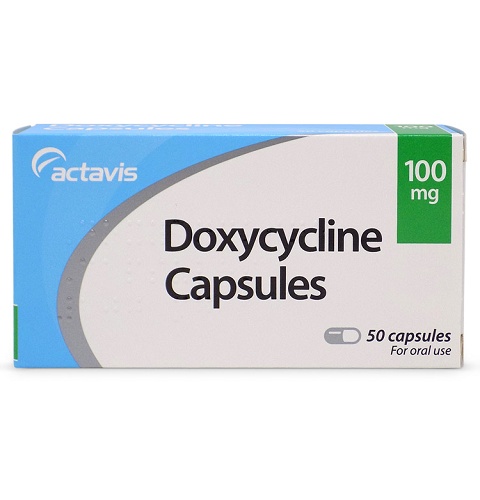
| Medication Name | Doxycycline |
|---|---|
| Primary Substance | Doxycycline hyclate or monohydrate |
| Main Uses | Bacterial infections (broad-spectrum antibiotic) |
| Strength Options | 50 mg, 75 mg, 100 mg, 150 mg tablets/capsules |
| How soon it starts to work | Within 24–48 hours after first dose |
| Active Duration | Approximately 12–24 hours per dose |
| Prescribing Status | Prescription required in United States |
| Food and Drink Guidance | Can be taken with food, but avoid dairy/calcium at same time |
| Typical Manufacturers (US) | Teva, Mylan, Hikma, Amneal, Zydus, Pfizer (branded: Vibramycin) |
Doxycycline: Use, Safety, and Purchase in the United States
Doxycycline is a well-established antibiotic used to treat a variety of infections, including respiratory tract infections, skin infections, sexually transmitted diseases, and certain types of tick-borne illnesses. It is available by prescription in the United States and remains a fundamental option in both outpatient and hospital care for bacterial illnesses. Understanding when and how to use Doxycycline safely can help you resolve your health concern confidently.
The Scope of the Problem: Why Bacterial Infections Are Common—and Treatable
Bacterial infections affect millions of Americans each year, ranging from routine sinus infections to serious diseases like Lyme disease or certain pneumonias. According to the Centers for Disease Control and Prevention (CDC), in 2022, over 270 million antibiotic prescriptions were filled in the United States for various bacterial conditions. Skin and respiratory infections are among the most frequent reasons people seek medical care. Importantly, the vast majority of these infections can be treated effectively—when the right antibiotic is chosen and used properly. Recognizing you are facing a common, manageable health issue is the first step toward recovery.
How Doxycycline Works: Mechanism and What That Means for You
Doxycycline belongs to the class of antibiotics called tetracyclines. Its action is based on blocking the ability of bacteria to produce proteins that are essential for their growth and multiplication. In simple terms, Doxycycline stops bacteria from getting what they need to survive, which causes the infection to diminish as your body’s immune system clears the remaining germs.
For most people, this means symptoms such as fever, pain, or discharge begin to improve within 24–48 hours after starting treatment. However, you may need to take the full prescribed course (often 7–14 days) to ensure the infection is completely eradicated. Stopping early increases the risk of the bacteria returning—and sometimes becoming harder to treat.
Notably, Doxycycline is active against a broad range of bacteria, including those responsible for acne, urinary tract infections, chlamydia, some respiratory tract infections, and diseases transmitted by ticks (like Lyme disease and Rocky Mountain spotted fever). Its broad activity makes it a go-to choice when the likely bacteria are known to be susceptible, or when other antibiotics are less appropriate due to allergy or resistance.
Is Doxycycline Right for You? Matching the Option to Real-Life Scenarios
| Situation | Recommended Option | Why this matters |
|---|---|---|
| You have been diagnosed with Lyme disease, chlamydia, or acne by a healthcare provider | Doxycycline (standard dosing as prescribed) | These infections are proven to respond well to Doxycycline; it is considered first-line therapy |
| You have a history of severe allergy to tetracycline antibiotics, are pregnant, or have significant liver disease | Alternative antibiotic (not Doxycycline) | Risk of side effects or harm is higher in these groups; doctor will recommend a safer substitute |
| The infection is caused by a bacteria known to be resistant to Doxycycline (for example, some urinary tract bacteria or hospital-acquired pneumonias) | Alternative treatment based on cultures | Effectiveness may be limited; antibiotic choice should be guided by laboratory results |
| You’re taking antacids, iron, or calcium supplements regularly | Doxycycline may still be used, but with careful timing | Such substances can reduce absorption; spacing out doses avoids this interaction |
| You have mild to moderate skin infections or respiratory tract infections and no allergies or contraindications | Doxycycline is a suitable option | It covers common bacteria and is usually well tolerated |
If you are unsure which scenario fits your case, a healthcare provider or pharmacist can assist in reviewing your history and recent test results. Doxycycline is not suitable for every type of infection, and the final decision should always include consideration of your overall health, allergies, and potential drug interactions.
Taking Doxycycline in Real Life: Practical Dos and Don’ts
- How and when to take: Doxycycline is often taken once or twice daily, with a full glass of water. Swallow tablets or capsules whole—do not crush or chew. Take while sitting or standing, not lying down, to reduce risk of throat irritation.
- With meals or without: While Doxycycline can be taken with food to help with stomach upset, avoid taking it at the same time as dairy products, antacids, or supplements containing calcium, magnesium, aluminum, or iron. These substances can block absorption. Space Doxycycline and these products at least 2 hours apart.
- If you forget a dose: Take it as soon as you remember unless it’s almost time for your next dose. Never double up. Missing a single dose is unlikely to affect your outcome, but missing multiple doses can reduce effectiveness.
- What to expect: Mild stomach upset, photosensitivity (increased risk of sunburn), and sometimes mild diarrhea are common and usually self-limited. Improvements in symptoms are typically seen within 2 days, but always finish the full course unless told otherwise by your provider.
- If Doxycycline does not help: If your symptoms do not improve after 72 hours, or if they worsen, contact your healthcare provider. Bacterial resistance or a different cause for your symptoms may be at play.
- When to seek help: Severe headache, blurred vision, rash, difficulty breathing, or swelling of face/tongue are not typical—seek immediate medical attention if these occur.
doctor observes: “I advise my patients to set alarms for each dose, use a calendar, and to read the full list of possible interactions before starting Doxycycline. Even experienced patients can overlook the importance of spacing out supplements and antacids.”
Contraindications: Who Should Avoid Doxycycline?
Doxycycline is not suitable for everyone. Here are the main reasons some people should not take this medication, with the underlying risk explained:
- Pregnancy (especially after the first trimester): Doxycycline can affect bone and tooth development in the fetus, leading to permanent discoloration or growth problems.
- Children under 8 years old: Risk of permanent tooth staining and possible effects on bone growth makes Doxycycline inappropriate for this age group except in very specific cases, under specialist guidance.
- History of severe allergic reaction to tetracyclines: This includes rash, swelling, or difficulty breathing after any tetracycline antibiotic, which may indicate a risk of life-threatening hypersensitivity.
- Severe liver impairment: Doxycycline is processed by the liver, so impaired liver function may increase risk of toxicity and side effects.
Always inform your healthcare provider about your full medical history before starting Doxycycline, particularly if you have chronic illnesses or previous medication allergies. In the United States, the Food and Drug Administration (FDA) requires all prescription antibiotics, including Doxycycline, to be dispensed only after a qualified provider has reviewed your suitability.
Potential Side Effects: What to Expect and When to Worry
Most people tolerate Doxycycline well, but like all antibiotics, side effects are possible. Understanding which are common, which are rare, and which require immediate action is essential.
- Common and generally mild (affecting up to 10%): Temporary stomach upset, mild nausea, vomiting, diarrhea, increased sensitivity to sunlight (photosensitivity), or mild skin rash. These effects typically resolve on their own.
- Occasional (uncommon, but possible): Esophageal irritation or ulcer (especially if taken without water or lying down), vaginal or oral yeast infections, mild headache.
- Rare but severe (seek urgent help): Severe allergic reaction (signs include swelling of lips, tongue, face; difficulty breathing; widespread rash); severe headache with vision changes (possible sign of intracranial hypertension); or severe skin reaction (blistering rash). These are medical emergencies—call 911 if they occur.
If you develop any symptom that feels unusual or is rapidly worsening, do not hesitate to contact your healthcare provider. For life-threatening reactions, the national emergency number in the United States is 911—use it if you experience severe breathing difficulty, loss of consciousness, or other acute symptoms.
Drug Interactions: What Not to Combine With Doxycycline
Certain substances can change how Doxycycline works in your body, either reducing its effectiveness or increasing side effect risk. The most important interactions include:
- Antacids and supplements containing calcium, magnesium, iron, or aluminum: Bind with Doxycycline and stop your body from absorbing it. Space by at least 2 hours.
- Warfarin and other blood thinners: Doxycycline may increase the effect of these medications, potentially raising bleeding risk. Dosage adjustments or closer monitoring may be needed.
- Oral contraceptives: Occasional reports suggest Doxycycline may reduce their effectiveness, especially if diarrhea or vomiting occurs; use an additional contraceptive method during treatment and for one week after.
- Other antibiotics: Combining with penicillins may interfere with Doxycycline’s effectiveness; combination is generally avoided unless advised by a specialist.
Always review your complete medication list—including over-the-counter and herbal products—before starting Doxycycline. If you are on multiple medications, your pharmacist or provider can identify potential issues and offer guidance on timing and alternative options.
How Doxycycline Compares: Alternatives and When to Choose Each
| Medication | Main Uses | Advantages | Limitations |
|---|---|---|---|
| Doxycycline | Wide range: respiratory, skin, tick-borne, STIs, acne | Broad-spectrum; oral and IV forms; well-tolerated by most; low cost; effective against atypical bacteria | Cannot be used in pregnancy/young children; photosensitivity; interactions with common supplements |
| Amoxicillin | Respiratory, ear, urinary infections | Safe in pregnancy/children; well tolerated; inexpensive | Not effective for many atypical or resistant bacteria; allergies more common |
| Azithromycin | Respiratory, some STIs, skin, traveler’s diarrhea | Short courses; useful in penicillin allergy | Not first-line for some tick-borne diseases; risk of heart rhythm effects in certain patients |
| Levofloxacin | Severe or resistant infections | Very broad activity | Reserved for specific cases; side effects may include tendon injury, QT prolongation |
Doxycycline is particularly valued in situations where atypical or resistant bacteria are likely, in tick-borne diseases (Lyme, Rocky Mountain spotted fever), or where other antibiotics pose allergy risks. However, it is not the best first choice for every infection. For example, amoxicillin is preferred in young children or pregnancy, and azithromycin may be chosen for certain respiratory conditions or when shorter treatment is beneficial. Your doctor will select the most suitable option based on infection type, medical history, and current guidelines.
Buying Doxycycline in the United States: Price, Prescription, and Delivery
In the United States, Doxycycline is a prescription-only medication, regulated by the FDA. This means you must have a prescription from a licensed healthcare provider to legally obtain it from a pharmacy—either in-person or through a legitimate online pharmacy. While some websites may offer Doxycycline without a prescription, this is not compliant with US law and carries significant risks regarding authenticity and safety.
Generic Doxycycline is widely available and typically affordable. Pricing varies by pharmacy, insurance coverage, and location. Here is a current breakdown of what purchasing a standard course (100 mg tablets, twice daily for 10 days) may cost, including typical associated expenses:
| Cost item | Amount | Note |
|---|---|---|
| Doctor consultation (in-person or telemedicine) | $60–$200 | Varies widely by provider, location, and insurance; telehealth often less expensive |
| Prescription fee (if not included in visit) | $0–$25 | Some clinics/pharmacies charge separately for prescription processing |
| Medication (generic Doxycycline, 20 tablets 100 mg) | $10–$40 | Uninsured “cash price”; may be lower with discount programs or insurance |
| Delivery (if using online pharmacy) | $0–$15 | Standard shipping; express delivery may cost extra |
| Total estimated cost | $70–$280 | Minimum with telemedicine, maximum with in-person consult and express delivery |
Most insurance plans cover Doxycycline, so your out-of-pocket cost may be limited to a small copay. Many reputable online pharmacies require you to upload your prescription and will ship directly to your address, often within 1–3 days. Always verify that any online pharmacy is certified by the National Association of Boards of Pharmacy (NABP) or carries the .pharmacy designation to ensure you are receiving a genuine product.
Wrapping Up: Remaining Questions Answered
- Can I buy Doxycycline “over the counter” in the US?
No. In the United States, the FDA classifies Doxycycline as a prescription-only medication. Any source offering it without a prescription is operating outside the law and may be unsafe. - Why is finishing the full course important?
Even if you feel better, stopping early can allow bacteria to survive and become resistant—making future infections harder to treat. Complete the prescribed course unless your doctor tells you to stop. - What should I do if I develop a rash or severe reaction?
Discontinue the medication and seek immediate medical attention. Call 911 for severe reactions (e.g., trouble breathing, swelling). - Can I drink alcohol while on Doxycycline?
Moderate alcohol is not prohibited, but excessive consumption can increase side effect risk and may interfere with recovery. Discuss with your provider if you plan to drink alcohol during your antibiotic course. - Is Doxycycline safe for long-term use?
It can be prescribed for extended periods in certain conditions (like acne or malaria prevention), but your doctor will monitor for potential side effects, such as oral or vaginal yeast infections, digestive changes, and rare liver effects.
Many practical details—such as how to coordinate Doxycycline with other medications, how to distinguish side effects from normal symptoms, or what to do if your pharmacy runs out—can be clarified by your prescribing provider or pharmacist. Your safety and treatment success depend on honest discussion and following the recommended steps.